REVIEW · AHANGAMA
Ahangama: Traditional Jewellery Making Workshop
Book on GetYourGuide →Operated by Ceylon Eco Love Tours · Bookable on GetYourGuide
Silver meets story in Kotapola. This Traditional Jewellery Making Workshop puts you right with a local artisan and walks you through the meaning of jewelry in Sri Lanka, while you design and craft your own piece. I love that the day ends with a complimentary silver ring you actually made.
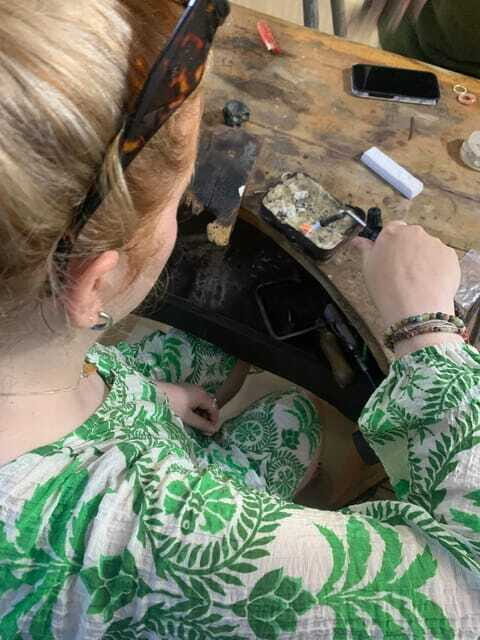
What really makes it special is the way the session is taught. I liked how every step is explained and demonstrated, then you get your hands on the work—melting, shaping, and finishing your ring with the help of the artisan.
One thing to plan for: the meeting point is the artisan’s home, and it can feel confusing to find at first. The good news is WhatsApp guidance is part of how you reach it, and locals in the area tend to be helpful when you ask.
In This Review
- Key Highlights You’ll Care About
- A One-Day Workshop That Feels Local, Not Performative
- Where You Meet (Kotapola, Artisan’s Home): The Good and the Slightly Tricky Part
- What Actually Happens During the Day: From History to Shaped Silver
- Welcome and setup
- Learning the significance of traditional jewelry
- Choosing design elements, including stones
- The hands-on metalwork: what you’ll do
- Finishing and the master’s final touch
- Tharindu’s Teaching Style (and Why It Makes the Workshop Work)
- Tools, Technique, and the Tiny Choices That Change Your Ring
- Price and Value: Why $71 Often Makes Sense Here
- Logistics That Matter: Timing, Transport, and No-Fuss Planning
- Who This Workshop Is Best For (and Who Should Rethink It)
- Small Rules That Make the Workshop Run Smoothly
- Should You Book This Jewellery-Making Workshop?
- FAQ
- What’s included in the workshop?
- Do I need to bring gem stones?
- Where is the meeting point?
- How long does the workshop last?
- Is there an age limit?
- What language is the instruction in?
- Is it wheelchair accessible?
Key Highlights You’ll Care About
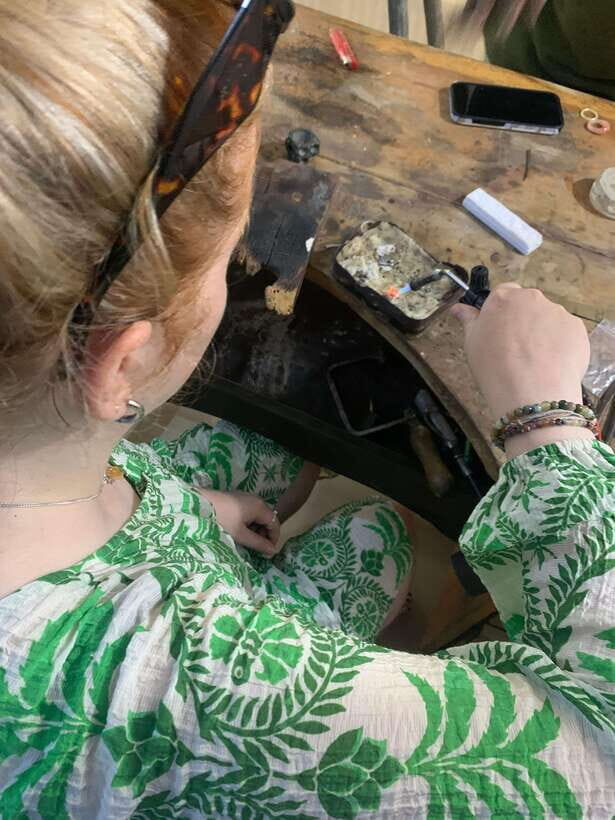
- Hands-on silver work: you do real steps like shaping and filing, not just watch
- A ring you can keep: the workshop includes a take-home silver ring
- Artisan-led teaching: the work is paced and explained in English
- Design choices matter: you learn how traditional jewelry thinking guides stone selection and form
- Lots of tools, not just a small demo: you’ll see an impressive setup up close
A One-Day Workshop That Feels Local, Not Performative
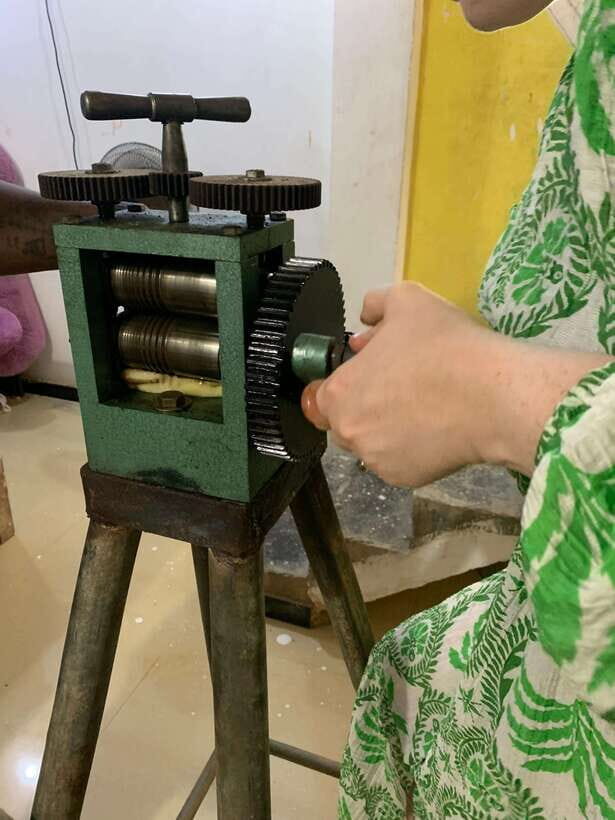
This is the kind of class that doesn’t try to turn Sri Lankan craft into a show. It’s structured, but it stays practical: you’re in the artisan’s working space, learning why jewelry is made the way it is, and then making something you can wear.
At the core, you’re signing up for more than a souvenir. You’re paying for skills and context—how traditional jewelry fits into Sri Lankan culture, and how metalwork and design choices come together. The result is a piece that looks personal because you were part of the process, even if the final “master touch” still belongs to the artisan.
You can do this as a total beginner. No prior jewelry experience is required, and the workshop is paced for the group in a way that lets you keep up. It’s also a private group experience, so the artisan can slow down when you need a clearer explanation or more time with the tools.
A few more Ahangama tours and experiences worth a look
Where You Meet (Kotapola, Artisan’s Home): The Good and the Slightly Tricky Part
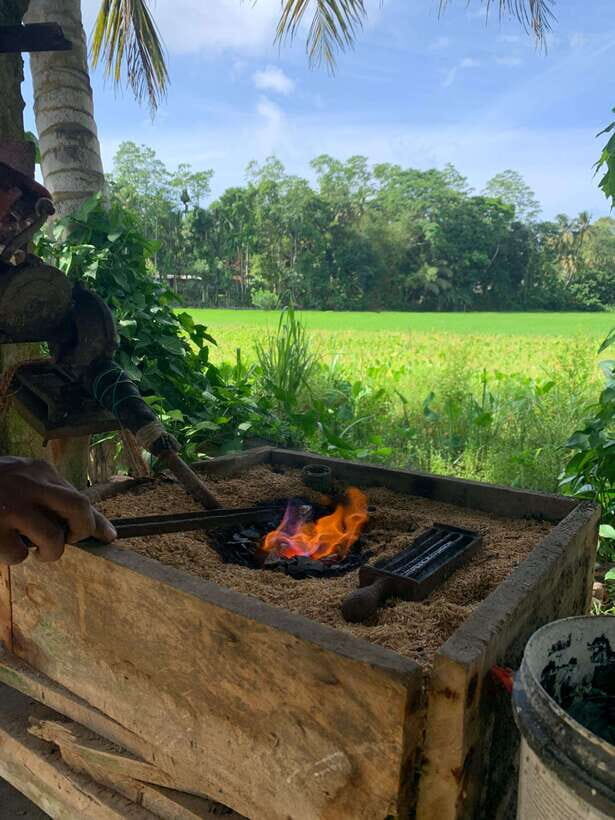
You meet at the artisan’s home in Kotapola. That’s part of what makes the experience feel real. You’re not being herded through a storefront with one-hour “tourist jewelry” outcomes.
The slightly tricky part is finding the place. The workshop notes that once you contact through WhatsApp, you’ll get guidance for you or your driver on how to reach the home. In my view, this is worth it, but it does mean you should treat the day like you’re meeting someone, not like you’re arriving at a big labeled attraction.
A practical tip: arrive about 15 minutes early. It helps you settle in, get oriented, and avoid stress when you’re in a residential setting where directions may be simpler once you’re close.
What Actually Happens During the Day: From History to Shaped Silver
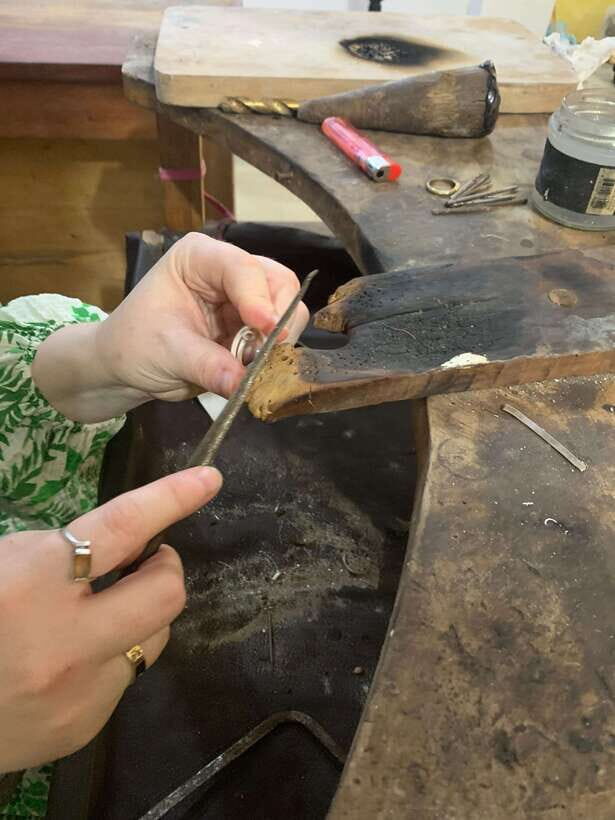
Even without a formal “hour-by-hour” schedule, the flow is clear: story first, then making, then finishing what you’ll take home.
Welcome and setup
You start with a welcome drink. It’s a small thing, but it helps you shift from travel mode into workshop mode.
Learning the significance of traditional jewelry
Before you start metalwork, you’ll learn about the history and significance of traditional jewelry in Sri Lanka. The goal isn’t to memorize dates. It’s to understand that jewelry here isn’t just decoration—it often carries cultural meaning through style, materials, and symbolism.
This matters for your piece. When you understand the “why,” your design choices stop feeling random. You’re making with a sense of tradition rather than just copying something you saw on a screen.
Choosing design elements, including stones
The workshop includes design guidance and mentions stone selection and crafting. One important detail: gem stones are not included. So you should expect that stone choices (if you want one set) may be an extra cost.
That’s not a dealbreaker. It just means your final price might depend on what you choose. If you’re focused on the silver ring itself, you’re still covered—your takeaway ring is included—but if you want a specific stone, plan for that possibility.
The hands-on metalwork: what you’ll do
Your artisan will guide you through creating your jewelry using authentic techniques and materials. Based on actual demonstrations you should expect (and what people described from the session), you’ll likely take part in steps like:
- Melting and working with silver
- Flattening and adjusting the metal
- Changing the shape to match your design
- Filing and finishing your ring or piece
People also highlight the pacing: the artisan shows the step briefly first, then lets you do it. That’s the difference between a craft class and a tourist demo. You’re learning the rhythm of tool use and what “good enough” looks like when you’re working by hand.
Finishing and the master’s final touch
Even when you do most steps yourself, the artisan still plays a key role in the final quality—especially when stones are involved. One person specifically described the master setting the stone and even bringing the finished ring to their hotel the next day, which suggests the artisan may handle certain finishing tasks after your workshop time window.
Ask about timing and what’s possible for setting and pickup. Don’t assume it’s the same for every participant, but it’s a good sign that the team thinks about the full end result.
Tharindu’s Teaching Style (and Why It Makes the Workshop Work)
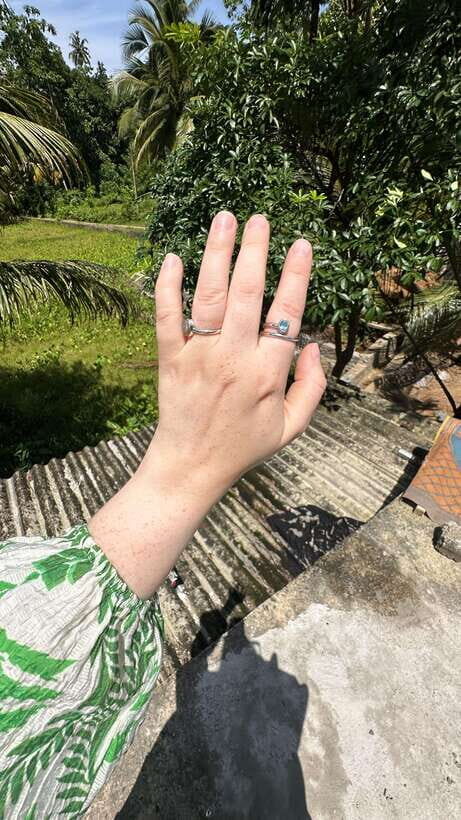
In one of the most detailed accounts, the artisan named Tharindu was praised for taking his time and explaining techniques clearly before participants tried them. The important part isn’t that he was friendly (though that matters). It’s that he teaches like a craftsperson: calm, methodical, and hands-on.
A few teaching details you can take advantage of if you book:
- Watch the initial demo closely, then ask one question before you start your own pass at the work.
- Take your time with the shaping and filing. Those finishing steps are where beginners can feel clumsy. That’s also where the artisan’s feedback really helps.
- If English is your main language, you’re in good shape here since the instruction is listed as English.
Also, don’t underestimate the tool variety. People described an elaborate setup of tools, and seeing that in person helps you understand why jewelry making is both technical and artistic. It’s not one magic tool—it’s lots of little tools and careful steps that build a clean result.
Tools, Technique, and the Tiny Choices That Change Your Ring
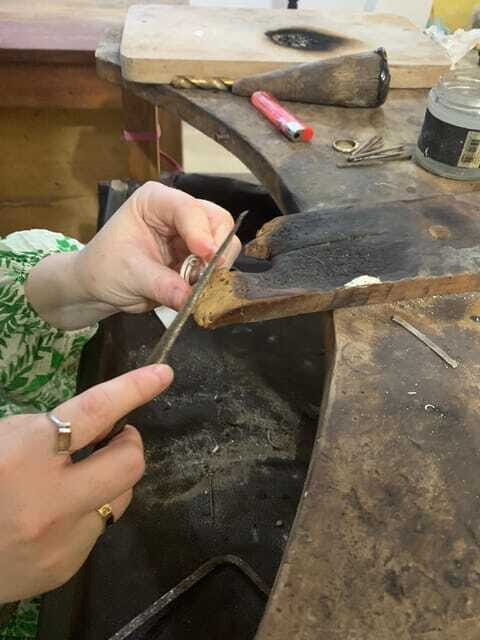
This workshop has one big advantage over “paint-and-sit” experiences: you control outcomes. The artisan guides you, but your ring or piece reflects your design and your hands.
Here’s what you’ll likely notice as you work:
- Shaping is slow work. The metal wants to fight back a little, so the artisan’s patience is part of the value.
- Filing and finishing make or break how comfortable the ring feels. Even small changes in smoothness show up when you wear it.
- Stone decisions (if you add one) affect the final look more than you might expect, which is why the workshop includes guidance on stone selection.
And because the workshop includes all materials and tools, you’re not juggling shopping lists while you learn. It’s simply you, the artisan, and the process.
Price and Value: Why $71 Often Makes Sense Here
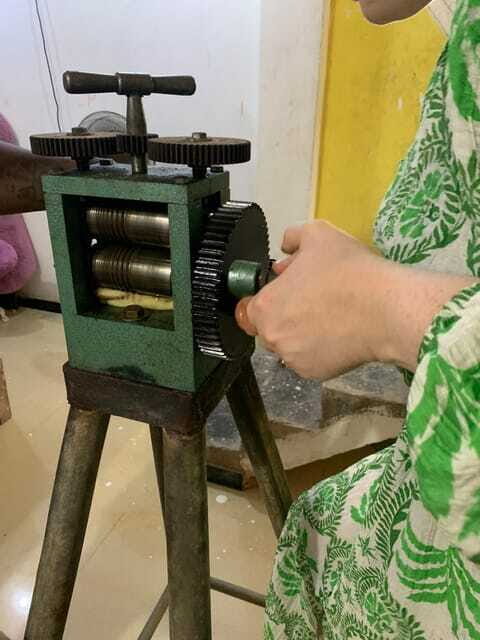
The workshop costs $71 per person for a 1-day session. At first glance, that’s not “cheap.” But it can be good value because you’re paying for three things at once:
- Instruction from a working artisan (not a scripted host)
- Materials and tools included for the silver work
- A take-home handmade piece (including a silver ring)
The “not included” items help you understand where the cost boundaries are:
- Meals are not included
- Gem stones are not included
So the value depends on how you plan to finish your piece. If you’re happy with the silver ring experience, you’re likely to feel like the workshop price is fair. If you want higher-end stones, your total spend could rise—but the base workshop still covers the craft and the work.
Also, private group format matters. You’re not competing for attention in a crowded room. For a hands-on process, that’s a real quality-of-life upgrade.
Logistics That Matter: Timing, Transport, and No-Fuss Planning
Transportation to and from the workshop isn’t included. That means you’ll want your own plan for getting there. Since the meeting point is a home, it helps to confirm the route details early.
If you’re traveling with a driver, send the WhatsApp message as soon as you book. The workshop indicates you’ll be guided for you or your driver on how to reach the home. If you’re using a taxi or rideshare, the same message can prevent “arrive and search” frustration.
A quick day-planning reality: you’re there for about one day, and it’s a workshop with tools and work time. Eat before you go (since meals aren’t included), and keep water handy for the day.
Who This Workshop Is Best For (and Who Should Rethink It)
This is a strong choice if you want a hands-on cultural experience in Sri Lanka where you leave with a piece you made yourself.
It’s especially suitable if:
- You like crafts and want to do the work yourself
- You enjoy learning how local traditions influence design
- You want a meaningful souvenir that isn’t mass-produced
It’s less suitable if:
- You’re traveling with children under 12 (it’s noted as not suitable)
- You have back problems (also noted as not suitable)
- You use a wheelchair: the information is conflicting. The activity lists wheelchair accessibility, but it also says not suitable for wheelchair users. If mobility access matters to you, check directly with the provider before booking.
If you can sit and work comfortably for the workshop duration, you’re likely to be fine.
Small Rules That Make the Workshop Run Smoothly
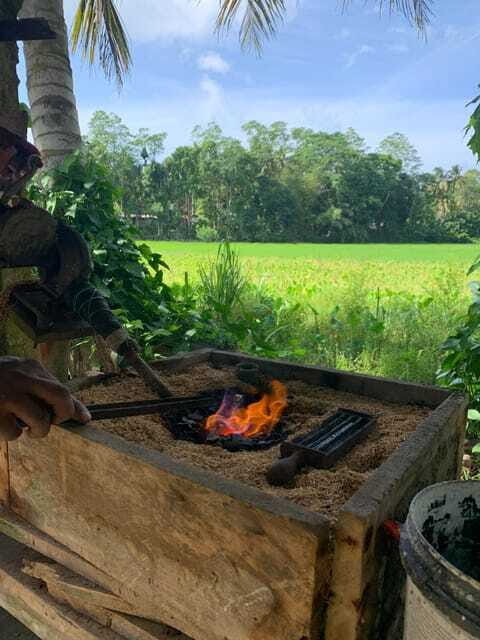
There’s at least one clear rule: no smoking. It’s a standard safety choice for a metalwork setting.
Beyond that, the biggest “rule” is basic respect for the craft. Let the artisan show you the sequence, follow the tool guidance, and don’t rush the finishing steps. The workshop is built around doing things correctly, not quickly.
Should You Book This Jewellery-Making Workshop?
I’d book it if you want a true craft day: a real artisan, real tools, and a take-home silver ring that reflects your effort. For the money, the blend of instruction + included materials + a handmade result tends to feel fair, especially when you’re in a private group and the artisan teaches step-by-step.
I’d think twice if you’re the type who hates “meeting at a home” logistics or you’re worried about mobility comfort. Also, if you’re expecting all gems to be included, plan ahead—gem stones are not part of the package.
If you want a souvenir with a story you can explain—how it was shaped, why it’s designed the way it is—this is the kind of day that delivers.
FAQ
What’s included in the workshop?
The workshop includes a welcome drink, all materials and tools needed for jewelry making, guidance from a skilled local artisan, and your own handmade jewelry to take home.
Do I need to bring gem stones?
Gem stones are not included. If you want stones set as part of your piece, you’ll need to arrange that separately.
Where is the meeting point?
The meeting point is the artisan’s home in Kotapola. After you contact through WhatsApp, you’ll be guided (for you or your driver) on how to reach the location.
How long does the workshop last?
It’s listed as valid for 1 day. You’ll check availability to see starting times.
Is there an age limit?
Yes. It’s not suitable for children under 12 years.
What language is the instruction in?
The instructor is listed as English.
Is it wheelchair accessible?
The details include both wheelchair accessibility and a note that it is not suitable for wheelchair users. If accessibility is important for you, it’s best to confirm directly with the provider before booking.