I like that the service is built around fewer hassles. Fuel, highway tolls, parking, and government taxes are included, so you’re not constantly stopping to handle logistics. I also really value the human touch from guides like Henry, who’s mentioned for arriving promptly and taking care of comfort and details.
One thing to keep in mind: the trip runs with a 450 km mileage allowance, and the exact sights depend on the itinerary design and fine-tuning for your schedule. If you have a long must-do list spread far apart, you’ll want to plan carefully to avoid excess mileage charges.
Key highlights to know before you go
- Airport meet-and-greet plus pickup and drop-off means fewer stress points at the start and end.
- Fully air-conditioned private vehicle with parking, tolls, and fuel included.
- English-speaking driver-guide who stays with you for the full duration.
- 450 km included distance for the round tour, with clear per-km excess rates.
- Private experience where only your group participates, so the pace is yours.
- Guides Henry and Ranaweera are specifically praised for responsible, attentive driving and guiding.
The Colombo start-to-finish convenience that makes this work

This is the kind of tour that’s less about ticking boxes and more about getting you moving fast. From Colombo, you’re picked up with airport meet & greet services and then transferred in a private vehicle for your sightseeing days, ending with a drop-off back to the airport. That start-to-finish flow matters, because the first hours after landing can eat up time.
The driver-guide model is also the core of the experience. You’re not just renting a car and hoping for the best. Your guide is an English-speaking tourist driver-guide and stays with you for the total duration of the trip from the moment you’re picked up to the moment you’re dropped off.
I like that this setup gives you an easy rhythm: drive, stop, interpret what you’re seeing, then keep going. It’s especially useful when you’re short on days and want to avoid wasted time asking directions or negotiating changes every time plans shift.
What the air-conditioned car really means for comfort

A fully air-conditioned car is not a luxury detail here. In Sri Lanka heat and humidity can make long travel days feel tiring fast, and having air-conditioning helps you stay functional. With a private vehicle, you also get the flexibility to adjust your timing without waiting on other people.
You’ll be traveling with a driver-guide who handles the road logistics, including things like parking charges along the way. Since fuel and tolls are included, your day planning stays simple. You can focus on the stops and the explanations rather than hunting down costs mid-trip.
One practical bonus: private transport gives you control over photo pauses and timing. If you arrive at a viewpoint and it’s busy, you can often adjust without feeling like you’re holding a group up.
Included costs: the hidden value behind the price
At $174.65 per person, the headline number is only part of the story. The real value comes from what’s wrapped in: fuel, highway tolls, parking charges, and government taxes, plus the driver-guide’s salary, food, and accommodation.
If you’ve done DIY car hire before, you know how quickly costs pop up. Here, the essentials are already handled. That means fewer surprises and less time budgeting minute-by-minute.
Still, you should read the fine print on what’s not included. Your accommodation cost is not included, and neither are your foods and drinks. So you’ll want to price those separately and make sure your total trip budget still feels comfortable.
Also note the optional cost piece: gratuities to your private driver-guide are not included, but they’re mentioned as optional. If you do tip, base it on how helpful your guide was with pacing, explanations, and route planning.
The 450 km mileage plan: how to avoid excess charges

This tour includes 450 km, stated as more than enough for your 03 days exploration journey from Colombo airport to the day you finish and return. It’s a good buffer, but it’s not “unlimited distance,” so think of it as a planning tool.
If you exceed the mileage limit, excess mileage is billed at a rate of $0.26 per KM for car bookings (accommodates 01 to 03 adults with two large baggage), $0.30 per KM for small van bookings (01 to 05 adults with baggage), and $0.35 per KM for large van bookings (01 to 08 adults with baggage).
Here’s how I’d use that information practically:
- If your dream plan is spread across far-apart regions, you’ll want your itinerary fine-tuned early.
- If you prefer a slower pace with more frequent stops, keep an eye on the day-by-day travel distance.
- If you’re flexible, let your driver-guide shape the route to protect your time inside destinations, not just on the road.
This is exactly where a good driver-guide earns their keep. A responsible, safe driver can also help you choose routes that waste less time.
How the sightseeing day structure tends to feel
The itinerary details provided here don’t list specific landmark names for each stop. What you can rely on is the structure: your days are built around ground transport and guiding, with itinerary design and fine-tuning to add value for your money.
So think of the tour as “days with guided stops” rather than a fixed script. Your driver-guide will choose what makes sense based on your available time, your pace, and the 450 km distance allowance.
Day 1: the easy start day
Day 1 begins with pickup and your first chunk of sightseeing. I like starting with momentum like this because you’re not coming from an overnight hotel shift into travel chaos. With the driver-guide staying with you from the beginning, you’ll get guidance from the start and you can ask questions early.
If you want to make the most of a short trip, Day 1 is usually where you lock in the travel rhythm. You’ll be able to see and understand key areas while the trip is still fresh and you’re not yet tired of long drives.
Day 2: building depth with less stress
Day 2 is where the guided approach often pays off. Since your driver-guide is with you the entire time, you’re not re-explaining your interests to a new person halfway through. That consistency can help you get more context and better timing as you move between different types of places.
A practical tip: on Day 2, don’t overstuff your schedule with hard-to-reach, far-apart priorities. Use the guide to balance travel time and stop time, so you’re not arriving exhausted and leaving immediately.
The full round tour and return timing
The tour is designed as a round trip: you’re picked up at the airport and returned when the tour finishes. Your 450 km allowance is meant to cover the core travel days inside the time you have.
Because exact day-by-day attractions aren’t listed here, your best move is to be clear with your priorities when your itinerary is being designed. If you have a “must see” list, share it early so the route can be fine-tuned around your preferences.
Airport meet-and-greet: the first win of the trip
This type of private tour feels smoother when the airport portion is handled well. Here, you get airport meet & greet services along with pickup offered.
Why it matters: airport transfers often waste time and create stress, especially if you’re arriving late or you don’t yet know how to move around Colombo. With meet-and-greet, you’re more likely to start your trip on schedule and settle into the day instead of spending your first hour asking where to go.
Then you get the same kind of organized ending: you return to the airport at the end of the trip. That gives you a cleaner last day, which is often when things go wrong for DIY plans.
Who the praised driver-guide experience is best for

The reviews highlight a very specific kind of value: reliable, attentive driving and good care. Henry is praised for arriving promptly and for responsibility and comfort. Another review also references a safe driving driver-guide, Ranaweera, and mentions quick responses to plan schedules and arrangement advice.
That kind of driver-guide partnership is ideal if:
- You have only a few days and want to maximize time.
- You prefer guidance in English rather than decoding everything yourself.
- You want a private pace, not a group schedule.
- You value responsible driving on unfamiliar roads.
It’s also a strong match for couples. One review mentions a private 3-day option taken by a couple to see as much as possible in a limited window, with the guide’s expertise making it possible.
Price and logistics: is this a good value?

Let’s talk money with honesty. $174.65 per person isn’t the cheapest way to travel, but you’re paying for a full package of transport plus a guide who stays with you, not just a vehicle rental.
You’re getting:
- Private transport by private vehicle
- Professional guide / driver-guide
- Included fuel, tolls, parking, and taxes
- Airport meet-and-greet services
- Driver-guide salary, food, and accommodation
You’re not getting:
- Your own accommodation
- Your meals and drinks
- Any excess mileage surcharge after 450 km
- Optional gratuities
When this is worth it: if your time is limited, and you’d otherwise spend money and energy piecing together transport, buying tickets, and figuring out routes, the private structure can feel like a bargain.
When it might not be worth it: if you already have a tight plan, don’t need explanations, and you’re comfortable handling logistics yourself, you may prefer simpler car hire. But if you want the guide component, the bundled inclusions help justify the cost.
Potential drawbacks to plan around
Here are the main considerations I’d think about before booking.
First, itinerary flexibility is important. The trip is marketed with itinerary designing and fine-tuning, which is helpful, but it also means your ideal experience depends on how well your preferences are translated into a route.
Second, keep an eye on the 450 km limit. If you’re tempted to “just add one more far-out stop,” excess mileage could add cost. The excess rates are clear, but the best value comes from staying within the planned distance.
Finally, remember your own costs aren’t included. You’ll still need to budget for where you sleep and what you eat and drink.
Should you book this 3-day private car tour from Colombo?
I’d book this if you want a straightforward way to explore Sri Lanka with less stress and more context. The biggest reasons are the private air-conditioned car, the included transport costs like fuel and tolls, and the fact you travel with an English-speaking driver-guide for the full round trip. If you’re short on time, that “car plus guiding plus planning” combo is the difference between seeing things and enjoying them.
I’d think twice if you want a heavily pre-fixed list of specific attractions written in stone, or if you’re likely to exceed the 450 km allowance. In that case, spend extra time planning your must-dos, so your route stays efficient.
If you do decide to book, make your priorities clear early. Ask for the itinerary fine-tuning that best fits your pace. And choose your vehicle size based on your group and baggage so you don’t end up cramped.
FAQ
What does the tour price include?
It includes private transport by vehicle, a professional guide/driver-guide, the driver-guide salary plus foods and accommodation, cost of fuel, airport meet & greet services, highway tolls, parking charges, and government taxes.
What is not included in the tour price?
Accommodation for you is not included, and your foods and drinks are not included. Excess mileage is not included if you go beyond the allowed distance, and gratuities to the private driver-guide are optional.
How long is the tour?
The title indicates a 03-day round tour. The summary also says duration is approximately 2 days, but the experience is described as covering the time from airport pickup through airport drop-off.
Do I get airport pickup and drop-off?
Yes. Pickup is offered, and airport meet & greet services are included, with the driver-guide staying with you until you are dropped off at the airport.
Is this a private tour or shared?
This is private. Only your group will participate.
Is there a mileage limit?
Yes. You get 450 km for the tour. Excess mileage, if you exceed the limit, is billed per KM based on the vehicle type.
How much is excess mileage if I go over 450 km?
Excess is charged at USD 0.26 per KM for car bookings, USD 0.30 per KM for small van bookings, and USD 0.35 per KM for large van bookings.
What vehicle sizes and passenger capacities are available?
Car bookings accommodate 01 to 03 adults with two large baggage. Small van bookings accommodate 01 to 05 adults with baggage. Large van bookings accommodate 01 to 08 adults with baggage.
What language is the driver-guide?
The driver-guide is described as an experienced English-speaking tourist driver-guide.
Can I cancel for a full refund?
Free cancellation is available. You can cancel up to 24 hours in advance for a full refund.
Does the tour require a certain level of mobility or fitness?
Most travelers can participate, and it’s described as a private tour/activity. No specific mobility limits are stated.
]]>One thing to watch: if your planned itinerary details don’t get shared properly, your driver may start with only the basics instead of your exact plan.
What really makes this work is the door-to-door ease. You get an air-conditioned car, daily navigation handled, and the option to ask questions on the fly. Still, you’ll need to do your homework on the parts that aren’t included—hotel nights, entrance fees, and most meals—so your budget doesn’t get surprise-y.
Key Points You’ll Actually Care About

- Private car with an English-speaking driver-guide so you’re not stuck waiting on a schedule that doesn’t fit you.
- UNESCO-listed Kandy plus the rock-and-fort highlights that people travel for: Sigiriya Rock and Galle.
- Custom itinerary starting from Colombo or Negombo, then shaping a loop that makes sense for your timing.
- Air-conditioned standard vehicle with fuel for 900km, which matters a lot on Sri Lanka’s distances.
- Comfort and safety-focused driving, including help for older travelers.
- One operational risk: the itinerary you send needs to reach the driver clearly.
Why This Private 6-Day Car Tour Feels Easier Than “Just Arriving”

A big chunk of travel stress comes from small logistics: finding the right turn, guessing bus times, and figuring out how to connect sights without losing hours. This is the opposite. You have a private vehicle with a chauffeur-guide who handles the navigation and pacing, so you can spend your energy on the places.
I also like that it’s not a forced checklist. The core idea is simple: agree on your itinerary with recommendations, then adjust day by day. Sri Lanka changes fast—from city streets to countryside roads to coastal towns—so having one person coordinating the route makes your trip feel smoother.
The trade-off is that you still have to think like a planner. Accommodation, meals, and entrance fees are not included. If you want a very structured day-by-day plan with zero decisions, you’ll need to communicate your preferences clearly up front and accept that the “how long to linger” part will still be on you and your driver.
Starting in Colombo or Negombo: Build Your Loop Without Losing a Day

This tour is designed to start and end in Colombo (or the airport). Many road trips waste time with backtracking. Here, the plan is built around a loop concept: you move through Sri Lanka’s key regions and return to your starting point.
You can start from Colombo or Negombo depending on where you land and what feels convenient for your flight schedule. The practical advantage is that you don’t have to spend your “first day” trying to solve transportation. A chauffeur meets you, you’re in an A/C car right away, and you can start sight planning immediately.
From there, the trip naturally fits a route like: Colombo/Negombo → Kandy → hill-country time (like Nuwara Eliya and/or Ella) → southern stops (like Mirissa) → Galle → back. That kind of routing also helps with comfort. It’s easier to enjoy the changing scenery when you’re not bouncing between separate drivers or scrambling for transfers.
Kandy in a Private 6-Day Plan: UNESCO, But With Your Own Pace

Kandy is one of your fixed anchors on this tour because it’s UNESCO-listed. What I like about including it in a private itinerary is that you can manage the timing. Kandy is the sort of place where you may want slower movement—less rushing, more asking questions, more time to decide what you actually want to see.
Your driver-guide isn’t just a driver. In practice, this kind of setup works best when you use the conversation: ask about what to prioritize, what to skip, and how to avoid turning your day into a sprint. The value is in getting local guidance that fits your travel style instead of following someone else’s speed.
One detail that matters: with a private tour, you can shift your order slightly if weather, traffic, or your energy level changes. That flexibility is hard to get on shared tours.
Sigiriya Rock: A Big Day That Needs a Comfortable Ride and Clear Timing

Sigiriya Rock is another headline stop included in the experience. Places like this tend to come with a “one long day” feel—either you’re there early and move steadily, or you risk losing time to crowds, heat, or just the slow pace of actually enjoying the site.
A private car helps because you don’t need to coordinate multiple transport legs. You’re already in an air-conditioned vehicle, and the driver-guide can help you plan for the day’s rhythm—when to leave, how long to spend, and when it makes sense to take breaks.
If you’re traveling with someone who prefers a calmer pace, this is a great setup. One driver handled the trip professionally for an older traveler and their 82-year-old grandmother, keeping things on time and making the ride comfortable enough that they could rest. That kind of practical care matters on a day like Sigiriya, where logistics can otherwise steal your energy.
Nuwara Eliya’s Colonial-Era Feel: Best When You Can Slow Down

Nuwara Eliya is one of the hill-country options you can add, and it’s described as having a colonial-era vibe. This stop is ideal for people who like atmosphere—views, cooler air compared to lower elevations, and a change of pace from city heat and traffic.
In a private itinerary, Nuwara Eliya works because the car gives you control over how long you stay. You can treat it as a short scenic day or as a more relaxed segment that includes time to wander without feeling like you’re burning the clock.
Here’s the practical tip: if you’re planning multiple hill-country stops, don’t schedule them like checkboxes. It’s better to choose what you want most—one “wow” moment with a longer pause, rather than three rushed stops where you spend more time in transit than experiencing.
Ella and Mirissa: Flexible Add-Ons That Help Your Trip Feel Like Yours

Ella and Mirissa are mentioned as part of possible route choices, and that’s a big deal because it signals what this tour really is: customization you can actually use.
Ella can fit naturally after Kandy and Nuwara Eliya, when you want more countryside mood and a slower travel rhythm. Mirissa works well on the later part of the trip when you want a change of environment and less of the inland road intensity. Even without committing to a fixed schedule, these stops help round out a road trip that covers both culture stops and atmosphere stops.
The key is communication. If you want Ella and Mirissa added, ask for them early in your planning so the driver can shape daily distances and your overall flow. This is also where you’ll want your itinerary details in writing so nothing gets lost between you and the driver.
Galle Fort: Walking the Cobblestones Without Transportation Headaches
Galle is a core highlight, and the tour specifically calls out exploring Galle Fort, with an emphasis on the cobbled streets feel. This is the kind of place where you’ll want time to wander—without a bus schedule, without hunting for the next transfer, without worrying about how to get back to your car.
What makes a private setup valuable here is that the day can be built around “wandering time.” You can slow down for photos, coffee, and quiet corners. You can also decide to end earlier if you’re tired, then let the driver take you back without added stress.
Also, since entrance fees are not included, you’ll want to plan for site costs directly. For Galle Fort days, that often means keeping a little extra budget flexible so you don’t feel boxed in by payments at the gate.
How the Chauffeur-Guide Works: Safe, Friendly, and Practical

This is where the experience tends to win (or lose) for real. The tour includes an English-speaking driver-guide, and the option is listed for English and Russian. In day-to-day terms, that means you should be able to ask questions about the route and ask what’s realistic for each day.
In real-life terms, what you’re hoping for is:
- On-time arrivals, so your day doesn’t start with delays.
- Comfortable, clean car conditions, so you arrive feeling human.
- Patient explanations, especially if you have questions or need extra time.
- Safe, smooth local driving, which matters more on Sri Lanka roads than most people expect.
The tour experience is also described as wheelchair accessible. If that’s relevant for you, it’s worth discussing needs clearly in advance so the driver can plan the right approach and transitions.
One more practical note: you can use messaging to make coordination easy during the trip. If you want the car waiting and you’re running late, being clear with your timing helps.
The One Real Drawback: When Your Itinerary Doesn’t Reach the Driver

Everything can go right, until it doesn’t. One issue surfaced around itinerary handoff: an itinerary was sent, but it never reached the driver, so the driver arrived without the full plan.
You can protect yourself from this without turning it into a project. Do two things:
- Send your must-sees and your ideal day order in writing.
- Confirm the final plan with the driver on arrival or before you start driving that day.
That way, even if there’s a communication glitch somewhere in the background, your on-the-ground plan is still clear.
Price and Value: $550 for Up to 2, Plus What You Pay Separately
The price is listed at $550 per group up to 2 for six days. That’s not “cheap,” but it’s not meant to be. You’re paying for the convenience and coordination: a private car, fuel for 900km, and an English-speaking driver-guide.
Here’s the value math that matters:
- You’re not paying separately for drivers or transfers each day.
- You’re getting consistent transport from start to finish.
- Fuel for 900km is included, which helps on a road trip where distances add up fast.
What’s not included is equally important:
- Overnight hotel accommodations
- Entrance fees to visiting sites
- Cost of food and beverages
- Entry visa fees
So your true budget is a mix of this tour cost plus your daily life costs (hotel + meals + entrances). If you and your travel partner are the kind of people who would otherwise spend time sourcing multiple local options, this private setup tends to pay off.
Also consider group size. Since this is private for a group up to 2, you’re essentially buying flexibility for two people. If you’re traveling solo, you might feel the cost more, but the value can still make sense if you want control and comfort.
Who This Tour Suits Best (And Who Should Rethink It)
This works best for people who want:
- Private transport and a driver-guide who can adjust pacing.
- A route built around Sri Lanka highlights like Kandy, Sigiriya Rock, and Galle.
- The ability to choose add-ons like Nuwara Eliya, Ella, and Mirissa.
It’s also a good match for older travelers or anyone who prefers safer, smoother road handling. One itinerary was arranged with serious care for an 82-year-old grandmother, showing that comfort and professionalism can be part of the value, not just a bonus.
If you’re the type who loves group tours, set schedules, and “show up and join the flow,” you might find the private nature means you’ll need to be more proactive about planning and priorities. This tour gives you control, but it doesn’t replace your choices.
What to Bring for a Comfortable 6 Days
The tour suggests some basics, and they’re the right ones:
- Comfortable shoes (you’ll want them for walking days like Galle)
- Camera
- Sunscreen
- Water
One extra practical thought: keep a small day bag for water and sunscreen so you can handle long sightseeing windows without stress.
Should You Book This Private 6-Day Sri Lanka Car Tour?
If you want Sri Lanka without the “transport puzzle,” this is a strong choice. I especially like the pairing of major stops—Kandy, Sigiriya Rock, and Galle—with room for personal pacing and add-ons like Nuwara Eliya, Ella, and Mirissa. The private car, fuel support for 900km, and driver-guide coordination can turn a tough logistics trip into a calm, enjoyable road experience.
I’d book it if you’re traveling as a couple (up to 2) or you want private comfort for someone who benefits from smoother, safer driving and on-time help. I’d think twice only if you want a rigid, pre-set itinerary with no back-and-forth, because you’ll get the best outcome when you confirm your plan clearly before each driving day.
FAQ
Is the tour private or shared?
It’s a private group experience. The vehicle and driver-guide are for your group.
Where do the pickup and drop-off happen?
Your mileage starts and ends in Colombo or at the airport.
What’s included in the price?
Included are a private car with an English-speaking driver-guide, an air-conditioned vehicle with fuel for 900km for the full 6-day tour, and complimentary WiFi during travel if available.
What is not included?
Not included are entry visa fees, overnight hotel accommodations, entrance fees to visiting sites, and the cost of food and beverages.
How long is the tour?
The duration is 6 days.
Is the tour wheelchair accessible?
Yes, wheelchair accessibility is listed for this activity.
]]>The best part is the human support. In feedback tied to this kind of service, drivers like Malith, Pawara, and Lakmal get named for patient, careful driving and being ready early when mornings start. You’ll also have an English-licensed guide for the main sights, plus WiFi in the vehicle and air-conditioning for the hotter stretches.
For value, I like that airport pickup and drop-off are included, and breakfast is included for all 7 mornings (dinner for 6 evenings). Since the tour ends back at the starting meeting point at Colombo Bandaranaike International Airport, it’s built for people who want fewer moving parts. Keep in mind the tour lists a moderate physical fitness level—manageable, but not a couch-to-coffee kind of week.
Key things I’d bet on with this 7-day Sri Lanka route

- Private air-conditioned transport with WiFi so you spend less energy on logistics.
- World Heritage stops with tickets included at Dambulla Cave Temple and Sigiriya Lion Rock.
- Big wildlife days at Minneriya and Yala, plus a water-based finale with whale watching.
- Culture beyond temples with the Hiriwaduna village and a Kandy cultural dance show.
- Hill-country highlight time via Horton Plains and the Nuwara Eliya to Ella train ride.
- Breakfast every day, plus most dinners makes daily planning simpler.
A private chauffeur that saves you from Sri Lanka’s time math

This is the kind of trip where the biggest win is boring (in a good way): your transport is handled. You’ll ride in an air-conditioned vehicle with WiFi, and you won’t be trying to coordinate rides between sites that sit far apart. When you’re moving through Dambulla, Kandy, the hill country, and then down to the southwest coast, “someone else does the driving” turns into real holiday time.
I also like that this isn’t just a sightseeing-only package. It includes an English-licensed guide for the included admissions, so you’re not stuck reading small signs and hoping you caught the meaning. And the driver support matters because the tour is private—so the pace can match your group, not a bus schedule.
The budget side is where it gets interesting. The listed inclusions cover parking fees and a stack of entrance tickets (Dambulla, Minneriya, Sigiriya, Temple of the Sacred Tooth Relic, Horton Plains, Yala, and whales watching). That reduces the usual DIY headache of paying for each site separately, and it helps you avoid surprise totals halfway through.
Day 1: Dambulla Cave Temple and Minneriya National Park’s elephant country

Your first day hits two very different Sri Lanka moods: ancient religious art, then wildlife.
Golden Temple of Dambulla: 1 hour that sets the tone
Dambulla Cave Temple (the Golden Temple) is a World Heritage Site in central Sri Lanka. Expect a strong start because cave temples tend to concentrate history and atmosphere into a compact visit. The tour includes the Dambulla cave temple entry fee, which means you can focus on the site rather than the ticket line.
Practical tip: wear shoes you don’t mind for stone floors and uneven paths. You’ll be glad you did by mid-day, even if the visit itself is only listed as 1 hour.
Minneriya National Park: a long wildlife block, 4 hours
Then you shift to Minneriya National Park in the North Central Province. This park has roots as a wildlife sanctuary (declared in 1938) before becoming a national park in 1997. The big draw is wildlife viewing time, and the plan sets aside 4 hours, which is better than the short “drive-by” versions some tours offer. The Minneriya entry fee is included, so you’re not adding more admin once you’re there.
What to expect: wildlife viewing can never be guaranteed in the way a museum exhibit is. Still, your odds improve with the time you get, and Minneriya is known for elephant sightings. If seeing elephants is high on your list, this is exactly the kind of schedule you want: not one photo stop, but a proper wildlife window.
Day 2: Sigiriya Lion Rock, Hiriwaduna village life, spice garden, then Kandy dance

Day 2 is a mix of iconic views and everyday culture—plus a night-style cultural show.
Sigiriya Lion Rock: the 200-meter rock fortress
Sigiriya Lion Rock is an ancient rock fortress centered on a massive column of rock that rises nearly 200 meters. It dates back to King Kasyapa’s reign (477–495 AD), when it was chosen as a capital site. The stop is listed at 2 hours, and the Sigiriya entry fee is included.
Why it’s a highlight: you’re not just looking at a ruin—you’re looking at a place built around vertical power and visibility. Even without going deep into details, the scale of the rock formation makes this feel like a real place with real decisions behind it.
Practical consideration: this is a “move around and take in views” stop. If you know you get tired on uneven ground, pace yourself early.
Hiriwadunna Village and Lake Adventure: 3 hours of local rhythm
After Sigiriya, the plan switches gears to Hiriwadunna Village and Lake Adventure. This part is a chance to experience traditional village life with an emphasis on activities that reflect everyday routines—like an oxen cart ride (and other village tasks listed in the description). The Hiriwaduna village tour entry fee is included.
This is the kind of stop I like because it breaks up the “temple, viewpoint, ticket” cycle. You’re getting a slower, more human pace. If you enjoy markets, kitchens, crafts, and learning how people live beyond the main tourist monuments, this portion gives the week balance.
Ranweli Spice Garden: free admission, 1 hour
Next comes Ranweli Spice Garden at Matale Central Research Center. The tour includes 1 hour and lists the admission as free. Even if you keep your expectations practical, the time is useful because it connects what spices do in everyday cooking with how they’re handled and grown.
I’d use this hour to ask plain questions: what spices are commonly used, how they’re processed, and why certain ones are planted in Sri Lanka. A guide can make a free-entry stop feel like it costs more.
Kandy Lake Club cultural dance show: a 1-hour evening moment
The day ends at Kandy Lake Club for a cultural dance show. The plan lists 1 hour, with admission included. The description points to multiple dance traditions, including Kandyan dances and others.
If you’re tempted to skip cultural shows, don’t rush to decide. This one is short, scheduled, and it comes right after an active day. It’s a good way to reset before the next travel push toward Kandy’s key temple site.
Day 3: The Temple of the Sacred Tooth Relic, Ramboda Falls, and a tea center day

Day 3 is spiritual centerpiece + a short nature break + tea country.
Temple of the Sacred Tooth Relic (Kandy): 2 hours, included
The Temple of the Sacred Tooth Relic—Sri Dalada Maligawa—is in Kandy and houses the relic of the tooth. The stop is listed at 2 hours, and the Temple of Tooth entry fee is included.
This is one of those sites where timing and attention matter. You’ll likely appreciate it more if you treat it as a place of worship, not just architecture. With a guide, you’re better positioned to understand what you’re looking at and why it matters.
Ramboda Waterfall: a quick 30 minutes
Then you get Ramboda Falls, listed at 109 m high and visited for 30 minutes. The tour includes the admission ticket for this stop.
A quick waterfall stop can be perfect if you don’t want to lose half a day. Still, 30 minutes means the goal is a viewing moment, not a long walk. If weather is wet or foggy in the hills, that can change visibility—so be flexible in expectations.
Damro Labookellie Tea Centre and Tea Garden: 1 hour, free
Finally, Damro Labookellie Tea Centre and Tea Garden: 1 hour with free admission in the plan. Damro is described as having over 5,000 hectares of tea plantations across major tea-growing regions, including elevations exceeding 1,500 meters.
Why I like this stop: it’s a different type of learning. Instead of “one building,” it’s agriculture tied to climate and elevation. If you like food, tea, and how a product is grown, this is a solid use of time.
Practical consideration: tea country can cool down compared to coast temperatures. Bring a layer even if you start warm.
Day 4: Horton Plains for 8 hours and the Nuwara Eliya to Ella rail ride

This is your long-day momentum builder. It mixes nature hiking time in the highlands and then transitions you onto the rail.
Horton Plains National Park: 8 hours at 2,100–2,300 m
Horton Plains National Park is listed as being at elevations between 2,100–2,300 m, featuring montane grassland and cloud forest. Biodiversity is highlighted in the description, and the tour assigns 8 hours with the entry fee included.
This is where the moderate fitness note matters. Even without claiming steep trails, cloud-forest areas often mean uneven ground, variable visibility, and weather changes. Plan to move at a comfortable pace and keep water handy.
Nanu Oya station to Ella: 4 hours through tunnels and tea country
Next comes the train ride from Nuwara Eliya to Ella. The tour lists a 4-hour segment and describes it as passing tea plantations, weaving in and out of mountain tunnels, then descending toward Ella.
This part often becomes one of the trip memories because the journey itself is scenic and slow. And because it’s scheduled, you avoid the stress of finding the right train times on your own.
Tip: you’ll want to sit where your group can view out comfortably. If you’re sensitive to motion or crowds, let the guide know before boarding so you can set yourselves up.
Day 5: Little Adam’s Peak viewpoints, Nine Arches Bridge, and Yala wildlife time

Day 5 is viewpoint + engineering landmark + wildlife.
Little Adam’s Peak View Point: free, 2 hours
Little Adam’s Peak is named for its similarity to Adam’s Peak (Sri Pada). The description ties it to Sinhalese Buddhist tradition. Admission is free and the stop is 2 hours.
Because this is a viewpoint-focused stop, it’s a good “stretch and breathe” break after the rail ride. If visibility is clear, you’ll likely enjoy it more. If not, don’t panic—cloudy hill days still have a mood.
Nine Arches Bridge: free, 1 hour
Then comes the Nine Arches Bridge, also called the Bridge in the Sky. It’s described as a viaduct bridge and a strong example of colonial-era railway construction. The stop is 1 hour with free admission.
This is one of those places where a guide helps you notice what’s going on. It’s not just “a bridge.” It’s a design challenge solved in stone and arches.
Yala National Park: 5 hours, leopards, elephants, and crocodiles
Finally, you head to Yala National Park for 5 hours. Admission is listed as free here, and the description says it has leopards, elephants, crocodiles, and hundreds of bird species.
Yala is a wildlife finale day before the coast portion starts. I like that the plan gives 5 hours, which is enough time to wait for animals rather than chasing them. As always, wildlife depends on conditions, but this schedule gives you real shot-time.
If you love wildlife: keep your expectations respectful and your phone ready, but don’t fixate on one species. Birds and smaller moments often show up when bigger animals aren’t in view yet.
Day 6: Galle Dutch Fort, Coconut Tree Hill ocean views, and Mirissa Beach time

Day 6 moves from wildlife into history and coastline.
Galle Dutch Fort: Portuguese start, Dutch fortifications
Galle Fort sits in the Bay of Galle on Sri Lanka’s southwest coast. The tour description says it was built first in 1588 by the Portuguese, then extensively fortified by the Dutch in the 17th century from 1649.
The stop is listed as 1 hour with free admission. In one hour, you won’t cover every corner, but you can still get the “why this place matters” idea—fortification style, ocean-facing defenses, and the feeling of a layered coastal stronghold.
Coconut Tree Hill: free, 30 minutes, sunset-style views
Coconut Tree Hill is a red-rock promontory with coconut palms and ocean views, known for short sunset walks. It’s 30 minutes and free.
This stop is a good reality check. In real travel, the best moments are often quick. If you get a clear hour, you’ll appreciate the photos. If it’s cloudy, focus on the calm and the ocean air instead of forcing golden-hour perfection.
Mirissa Beach: free, 3 hours
Mirissa Beach is described with powdery pale sand and a gentle curve around the coastline. The plan gives 3 hours and free admission.
Use this as downshift time. Wildlife and big heritage days can stack up fatigue. Three hours on the beach helps your body catch up—especially if you plan to do whale watching the next day.
Day 7: Whale watching in Mirissa and the ride back to Colombo airport

Your final day keeps the energy on water.
Whales watching in Mirissa: 4 hours, included
The plan includes 4 hours for whale and dolphin watching in Mirissa. The description notes blue whales are often spotted and that Mirissa is a top place for whale and dolphin watching.
Here’s the practical truth: the sea controls timing. That’s why the tour sets aside a block of hours and includes the whales watching fee. You’ll get a better chance to see something special when you’re not rushed.
If you get seasick easily, this is the time to prepare. The tour data doesn’t specify boats or speeds, so plan based on your own experience.
Back to Colombo Bandaranaike International Airport
The tour ends back at the meeting point, which is Colombo Bandaranaike International Airport. Airport drop-off is included, and the start/end meeting point is the same.
This ending is ideal if you want a last-day that doesn’t require you to figure out transport timing for a flight. Just keep an eye on your personal schedule so your whale watching time doesn’t compress your airport buffer.
Is $981 a good deal for this mix of transport, guides, and entry fees?
For a private 7-day route, $981 can be good value—mainly because the plan does more than “drive you around.”
Here’s what you’re paying for in practical terms:
- Private transportation with air-conditioning and WiFi
- Airport pickup and drop-off
- English-licensed guide time for key admission stops
- Many included entrance fees, including major sights like Dambulla, Minneriya, Sigiriya, Temple of Tooth, Horton Plains, Yala, and whale watching
- Meals: breakfast is included for 7 days, and dinner is included for 6 evenings
A DIY plan can work, but you’d need to assemble drivers, tickets, and guide time on your own. That can mean more stress and more chances to miss a timed entry. The included structure is especially helpful if you’re not used to Sri Lanka logistics.
Two small cautions. First, some stops are listed as free admissions while others are included. That’s normal, but it means you should still budget for personal spending like snacks during long park days. Second, dinner is included for 6 evenings, not 7. Expect one evening’s meal may be on you.
Who this tour suits best (and who should think twice)
This route fits you if:
- You want private chauffeur convenience and don’t want to coordinate transport across multiple regions
- You care about both heritage icons and wildlife (Dambulla and Sigiriya in the same week as Minneriya and Yala)
- You like having a mix of planned moments: cave temple, village activities, tea, hill-country rail, a fort, beach time, and whale watching
- Your group can handle moderate walking and longer days like the Horton Plains 8-hour visit
You might think twice if:
- You want a lighter schedule with lots of free time and minimal long sitting periods
- You’re highly sensitive to longer travel days by car before coast time starts
- Your group doesn’t handle moderate physical activity well
If you’re traveling as a couple, a small family, or a group of friends who prefer control over pacing, the private format is the real selling point.
Should you book this 7-day Sri Lanka wildlife and heritage adventure?
If your checklist includes Sigiriya, Kandy’s Temple of the Sacred Tooth Relic, hill-country scenery time, and at least two wildlife-focused days, this plan is one of the cleaner ways to do it with less logistical stress. The included fees and meals help you budget without constant ticket-counting, and the whale watching finish makes for a memorable closing chapter.
I’d book it if you’re comfortable with a schedule that includes long blocks of activity—especially Horton Plains—and you’d rather pay for someone to handle the driving and timing. I’d hold off if you’re looking for mostly leisurely sightseeing with minimal walking and very flexible, unscheduled days.
If you want a well-structured Sri Lanka week that balances big sights with wildlife and real culture stops, this one is easy to recommend.
FAQ
Does the tour include airport pickup and drop-off?
Yes. Airport pickup and airport drop-off are included, with the start and end meeting point at Colombo Bandaranaike International Airport.
Is this tour private or shared with other groups?
It’s a private tour/activity. Only your group participates.
What language is the guide?
The tour includes an English licensed guide.
Are entry fees included for the main attractions?
Yes for several key sites, including Dambulla Cave Temple, Minneriya National Park, Sigiriya Lion Rock, the Temple of Tooth in Kandy, Horton Plains National Park, Yala National Park, and whales watching in Mirissa.
How many meals are included?
Breakfast is included for 7 days. Dinner is included for 6 evenings.
What’s included in the transportation?
You get private transportation in an air-conditioned vehicle, with WiFi on board.
Is there anything that is not included?
Use of bicycle is listed as not included.
What’s the tour duration and price?
The tour is listed as approximately 7 days and is priced at $981.
Is there a physical fitness requirement?
The tour notes a moderate physical fitness level.
What is the cancellation policy?
Free cancellation is available up to 24 hours in advance for a full refund. If you cancel less than 24 hours before the experience’s start time, there’s no refund.
]]>This private 6N/7D plan strings together Sri Lanka’s top hits with a chauffeur guide doing the heavy lifting, so you spend more time looking and less time figuring out routes. I like the way the schedule balances big sights with travel days that feel manageable, and I really like that you can choose your hotel standard while still getting the same core outline.
Two of my favorite parts are the included half-board meals and the “all in one” format: private A/C transport, hotel stays, and a driver-guide who can adjust pacing when roads and timing get messy. One thing to keep in mind: most attraction fees and park entry are not included, and even when a specific stop is marked free in one place, the package-level ticket list can differ—so I’d budget for entrance fees and park costs unless your confirmation clearly says otherwise.
Key highlights worth your attention

- Driver-guide care: Names like Milan, Pansilu, Hasitha, Dinesh, and Chandu show up in feedback for being attentive and helpful.
- Hotel standard choice: Budget, standard, or luxe, while keeping the trip structure the same.
- Half-board rhythm: Breakfast every day, plus dinner for 6 nights.
- Classic route, not a random grab bag: Sigiriya to Polonnaruwa to Kandy to Ella, then wildlife and beach time.
- Private A/C transport: Less stress than public buses and shared shuttles.
- Wildlife safari is optional-cost: Udawalawe National Park day is built in, but safari/entry fees aren’t listed as included.
A private Sri Lanka loop that cuts the stress

If your goal is to see a lot without burning hours planning, this kind of private circuit is the practical answer. You get picked up, driven between regions in an A/C vehicle, and met with an English-speaking driver-guide who keeps the day moving.
The itinerary also has a nice logic to it: start with the Cultural Triangle basics (Sigiriya, Polonnaruwa, Dambulla, Kandy), then tilt into hill-country scenery (Nuwara Eliya, Ella), and finish with wildlife and a coastal cooldown (Udawalawe and Mirissa). That order matters because it reduces backtracking.
Value and pricing: why $415.80 can make sense

At $415.80 per person for roughly 7 days, the value depends on what you’d otherwise pay for on your own. The big cost savers are usually (1) private transport across multiple regions and (2) lodging for 6 nights bundled into one booking.
You’re also getting breakfast for 7 mornings and dinner for 6 nights, which quietly adds up on a trip where you might otherwise eat out every meal. Add in “mobile ticket” convenience and group discounts (not all private tours mention this), and the package starts to look less like a ticket-for-sights deal and more like a “we handle the logistics” deal.
Two budgeting notes:
1) Entrance fees and many site admissions are listed as not included.
2) The wildlife safari at Udawalawe is explicitly described as extra cost, and the park stop has admission listed as not included.
Day 1: Colombo airport to Sigiriya and the Lion Rock vibe
Your day starts early, around 7:00 am, with a meeting at Bandaranaike International Colombo Airport (and the tour also mentions pickup from a Negombo hotel). From there, you’re driven toward Sigiriya, with the fortress rock area being the signature stop.
Sigiriya’s draw is simple: it’s one of those places where you understand why people come, even if you’ve seen photos before. You’ll have time to focus on the site itself, and the “Fortress in the Sky” nickname is hard to shake once you see the rock rising above everything.
Ticket confusion to watch: the day plan shows admission for Sigiriya as free in one spot, while the package exclusions list Sigiriya admission as not included. I’d treat entrance fees as a likely cost unless your confirmation says otherwise.
Day 2: Polonnaruwa’s planned city layout

The second day lands at Polonnaruwa, Sri Lanka’s second most ancient kingdom city. The attraction here isn’t just ruins—it’s the sense of planning: a relic city layout that’s easier to follow than random-looking remains.
You get about a half-day of site time, which is enough to walk major areas without feeling like you’re sprinting. Polonnaruwa is also a strong pairing with Sigiriya because you’re still in that “royal power and engineering” zone, just from a different era.
Polonnaruwa admission is listed as not included, so plan on paying the entry fee on the day.
Day 3: Dambulla Cave Temple, then Kandy and the Temple of the Tooth

Day 3 runs a classic cultural double—Dambulla in the morning, then Kandy afterward.
At Dambulla Cave Temple, you’re visiting a UNESCO World Heritage Site and one of Sri Lanka’s largest and best-preserved cave temple complexes. The practical benefit of this stop is pacing: caves are a natural “keep your head and eyes busy” environment, so you’re not constantly scanning for the next thing.
Then you head to Kandy and the Temple of the Sacred Tooth Relic area. Kandy has a hill-capital feel, and it’s closely tied to Sri Lanka’s royal history and the famous Perahera procession. You’ll appreciate the stop more if you keep your expectations realistic: this is partly about the temple setting and partly about understanding why it matters culturally.
Both Dambulla and the Tooth Relic are listed in a way that suggests some admissions may be free in the day schedule, while the exclusions list those tickets as not included. Again: use your confirmation as the decider, but budget for entrance fees.
Day 4: Nuwara Eliya’s mountain town feel and waterfall scenery

Next up is Nuwara Eliya, often called the Little England of Sri Lanka. The tour notes scenic mountain backdrops and mentions you may pass several waterfalls en route.
This day is partly about the region itself: cool air, views, and a different “tone” from the earlier cultural stops. It also helps break up the intense temple-and-ruins theme by giving you room to look out the window and notice how the countryside changes.
A caution that’s worth saying plainly: Nuwara Eliya town tickets are not included, and the day includes time to explore, so have small cash or a simple plan for site fees. Also, weather in the hills can change fast, so pack for layers even if the coast is warm.
Day 5: Kandy to Ella by scenic train, plus Ella Rock time

Day 5 is the highlight for many people because it includes the well-known rail journey from Kandy to Ella, starting from Nanuoya. The route is described as one of the most scenic train trips in the world, and it’s also a great “do less driving, see more” switch.
Once you reach Ella, the schedule includes Ella Rock time. This is one of those stops where your enjoyment comes down to two things: how you pace yourself (not everyone wants steep climbs) and what the clouds are doing that day.
Important practical note: the train ride and Ella Rock admission are listed as not included. So you should expect to handle those costs separately.
If you like photos, you’ll get plenty. If you hate crowds or long waits, tell your driver-guide ahead of time and ask for a timing plan that keeps your stress low.
Day 6: Udawalawe National Park for wildlife viewing

Now you switch from hills to wildlife with a Udawalawe National Park day. This park is positioned on the boundary of Sabaragamuwa and Uva Provinces, and it’s set up as a sanctuary for wild animals displaced by construction of the Uda Walawe project.
The real value of a planned safari day is simple: the vehicle routing and timing are handled, and you’re not stuck guessing what roads are best for getting into the viewing areas. The itinerary describes the safari as extra cost, and the park admission is listed as not included, so treat this day as a “wildlife fees likely apply” moment.
What you can count on: a serious nature setting. What you can’t count on: specific animals on a specific timetable. Your best strategy is to go with flexible expectations and keep your camera ready.
Day 7: Mirissa beach time and the final airport drop
The last day shifts to the coast with Mirissa Beach. The description calls out beautiful beaches, surf waves, whale watching, and lots of bars and restaurants.
This day is perfect for decompressing after hill-country and wildlife. It’s also your buffer for whatever energy you have left: some people want relaxed beach time, others prefer a short stroll and a seafood meal, and either way you’re not “on the move” all day.
Then the tour ends with a drop-off at Colombo airport (Bandaranaike International Colombo Airport). Admission for Mirissa is listed as not included, so plan for that, and remember that whale watching is region-based rather than a guaranteed sighting.
Hotels and half-board: what this setup means for your comfort
One of the quiet wins here is how hotel choice works. You can pick Economy/Budget, Standard, or Luxury hotels, and the rest of the itinerary stays aligned with that choice. In plain terms: you’re not stuck with a single hotel category if you’d rather trade some money for comfort.
Half-board also shapes your day: breakfast is handled for you every morning, and dinner is included for 6 nights. That cuts down on decision fatigue. It also helps if you’re arriving tired from a long drive, because you’re not hunting for dinner spots when you just want to sit down.
A small review-based note: feedback includes praise for clean hotels and helpful staff, but there’s also a mention that two hotels could have been better. That’s not a dealbreaker, but it is a reason to choose your hotel standard carefully.
Who this tour suits best (and who should tweak it)
This is a strong fit if you want:
- a private plan that handles transport and day flow
- classic Sri Lanka highlights in a sensible order
- the option to choose hotel comfort without re-planning everything yourself
You might want to rethink or customize if:
- you hate paying multiple entrance fees and prefer “tickets included” packages
- you want fully guided experiences at every site with no self-paced time
- you’re traveling on a super tight schedule and can’t handle occasional ticket cost add-ons
Tips to get the most out of this itinerary
A few practical moves can turn this from good to smooth.
Ask the driver-guide about tickets on day one. Because admissions have conflicting notes across the schedule and exclusions, you want your confirmation to match reality.
Use the private car time wisely. On a route like this, the car is your friend. If you’re tired, ask for earlier starts or shorter stops. If you’re energized, ask for a bit more time at the key sites.
Plan for physical effort on the hill stops. Ella Rock can mean walking and possibly uneven ground. The tour states a moderate physical fitness level is recommended, so don’t pretend it’s flat-city walking.
For wildlife, expect patience. Udawalawe is worth it, but animals don’t follow a timetable. Your day goes better when you stay flexible.
Should you book this 7-day Sri Lanka private tour?
If your goal is to see the core highlights—Sigiriya, Polonnaruwa, Dambulla, Kandy, Ella, Udawalawe, and Mirissa—while outsourcing the logistics to a caring driver-guide, this package is a solid pick. The repeated praise for guides like Milan, Pansilu, Hasitha, Dinesh, and Chandu is a big clue: the service style is hands-on and helpful, not just “here’s a map, good luck.”
Book it if you want value from bundled transport and lodging and you’re okay budgeting separately for many admissions and the safari costs. Skip or customize it if you want a fully ticket-included experience or you don’t want train and site fees added on top.
FAQ
FAQ
Is this tour private?
Yes. It’s listed as a private tour/activity, and only your group participates.
What time does the tour start?
The start time is listed as 7:00 am.
Where will I be picked up?
You’ll be met at Bandaranaike International Colombo Airport, and the tour also mentions pickup from your Negombo hotel.
What meals are included?
Breakfast is included for 7 days, and dinner is included for 6 dinners (6 nights).
What about hotels during the trip?
You get accommodation for 6 nights. You can choose Economy/Budget, Standard, or Luxury hotel options depending on your selection.
Are attraction tickets included for places like Polonnaruwa and Ella Rock?
Most site entry/admission fees are listed as not included, including Polonnaruwa, Temple of the Tooth, Nuwara Eliya Town Hall, Ella Rock, Udawalawe National Park, and Mirissa Beach.
Is the Udawalawe wildlife safari included?
The itinerary includes Udawalawe National Park, but the wildlife safari is described as extra cost, and park admissions are listed as not included.
Is snorkeling included even though the itinerary doesn’t mention it?
Snorkelling equipment is listed as included, but the day-by-day stops in this plan do not explicitly mention a snorkeling session. If it matters to you, ask your driver-guide how it might fit.
What’s the cancellation policy?
Free cancellation is offered up to 24 hours before the experience start time for a full refund. If you cancel within 24 hours of the start time, the amount paid is not refunded.
]]>Two things I really like: the mix of temples and city history in one loop (not just one theme), and the way the guide makes the stops make sense. In the feedback, your guide is often praised by name—many groups are looked after by Rilwan, who’s described as patient and willing to slow down when the group needs it.
One thing to think about: two major paid items are not included—Colombo Lotus Tower entry and the Gangaramaya Temple ticket. So you’ll want a little extra cash (or card) ready if those are priorities.
Key highlights you’ll feel right away

- Private AC comfort: you’re not stuck heat-hopping between far-flung sights
- Temples with real character: Gangaramaya’s mixed Sri Lankan/Thai/Indian/Chinese architecture and the Dravidian-style Shiva temple
- Old + new Colombo: independence monument and colonial relics, then the Lotus Tower viewpoint
- Pettah Market energy: spices, textiles, electronics, and that everyday-city feel
- Tea tasting included: a free sample at a local tea factory, geared to Sri Lanka’s Ceylon tea
- A guide who adjusts: groups highlight Rilwan’s patience and clear explanations
A 5-hour Colombo loop by private AC car

Colombo can be a tricky city for self-guided sightseeing. Distances add up, traffic changes your plans, and you can end up spending energy figuring out logistics instead of seeing places. This tour is built to avoid that problem.
You’ll ride in a private AC car with a driver-guide, with pickup and drop-off options across Colombo (the tour lists multiple neighborhoods and city zones). The benefit is simple: you don’t have to worry about ordering taxis between temples, forts, and viewpoints. You’re also not locked into a rigid “bus tour” rhythm because it’s a private group.
And the timing matters. At around 5 hours, it’s long enough to hit a lot of the city, but short enough that you still have energy left for dinner or a nighttime stroll after. The tour is offered in both morning and evening formats, which is handy if you want either a daytime museum/market mix or a later finish near the coast.
Temple starts: Gangaramaya and Kailawasanathan’s big contrasts

Most good Colombo tours begin with a temple stop because it’s the fastest way to understand the city. This route starts at Gangaramaya Temple, one of the most prominent Buddhist temples in Colombo. What makes it especially interesting is the architecture blend: Sri Lankan, Thai, Indian, and Chinese influences showing up in one place.
Inside, there’s also a museum with rare religious artifacts. That’s a big reason this stop works well on a short schedule. It’s not only a religious visit; it gives you context for how the city’s spiritual life has collected influences over time. One practical note: the Gangaramaya Temple ticket isn’t included, so plan for it if you want the museum portion as well.
From there, you’ll move to Sri Kailawasanathan Swami Hindu Temple, dedicated to Lord Shiva. This one’s known for colorful, intricate Dravidian-style architecture. The contrast with a major Buddhist temple is a big part of why this tour feels “Colombo” rather than generic sightseeing. You get to see how different faith spaces can sit side by side, each with its own artistic logic and symbolism.
If your travel style is more than just taking photos—if you like understanding what you’re looking at—this is where a strong guide earns their fee. In the tour experiences that get high marks, Rilwan is repeatedly described as giving clear explanations and taking time when needed.
Independence Memorial, fort area, and the “colonial Colombo” feel

Next, the tour shifts from living religious spaces to national and colonial landmarks. The standout here is Independence Memorial Hall, built to commemorate Sri Lanka’s independence in 1948. Even if you don’t go heavy on monuments at home, this kind of stop gives you a baseline for modern Sri Lanka—why certain buildings, names, and city layouts matter.
You’ll also have stops around the Colombo Fort area and Maradana Railway View Point (listed as part of the sightseeing highlights). These are quick “get your bearings” moments. They help you connect the dots between where people live, where the city trades, and where important institutions grew up.
Then comes a cluster of colonial-era remnants: the tour includes stops at Dutch Hospital and the Old Parliament Building, plus the Lighthouse & Clock Tower. The Lighthouse and Clock Tower are described as historical colonial-era landmarks, with the Clock Tower dating to 1857. These are the kinds of places where the architecture does the talking—stone, details, and proportions you don’t get from modern construction.
One more reason I like this portion: it’s balanced. You’re not stuck only in museums. You can stand outside, look around, and then move on while the route still has momentum.
Red Mosque and Pettah Market: a sensory city stop

For me, Pettah is where you feel Colombo most directly. This tour includes time in Pettah Market—famous for spices, textiles, and electronics—so you’re not just driving past. You’ll also encounter the Red Mosque (Jami Ul-Alfar Mosque) with its striking red-and-white striped facade.
The Red Mosque stop is short but memorable because it’s visual. It also helps explain something real about Colombo: it’s a city of shared space where different communities live close together. If you’ve ever visited a place where religious sites are far apart, this feels refreshingly compact.
Practical tip: plan for close quarters. Pettah is full of lanes and storefront density. Wear comfortable shoes and expect you’ll need a little patience while your guide navigates the crowd. Since the tour is private, you won’t be managing your own route, but you will still be moving through active city spaces.
Also remember: Red Mosque is not the same thing as the temple stops. This route keeps the variety moving, which is part of the value. You get to compare how faith and culture show up in design—from temple carvings to a mosque facade.
Maritime Museum and Sambodhi Chaithya: sea stories + calm air

Colombo is an island city, and that shows in its seafaring identity. The tour includes Maritime Museum & Sambodhi Chaithya.
First, the Maritime Museum gives you a chance to connect Sri Lanka’s role in trade and seafaring with what you see around the city today. Then you’ll visit Sambodhi Chaithya, described as a modern Buddhist shrine with peaceful surroundings and an elevated stupa.
This pairing is smart. Museums can feel like you’re reading at a run. Adding a calm shrine stop gives your brain somewhere to rest while still keeping the schedule meaningful. If your group enjoys a mix of indoor and outdoor sights, this section tends to land well.
Lotus Tower viewpoint: a modern skyline check (and ticket planning)

Next up is the big modern symbol: Colombo Lotus Tower. It’s described as South Asia’s tallest tower, and you’ll have the chance to see panoramic scenes from the observation deck.
Here’s the main practical catch: Lotus Tower entry isn’t included, so you’ll need to decide on the spot whether you want to pay for the viewpoint. For many people, it’s worth it simply because it gives your photos a different angle than temples and colonial buildings. But if you’d rather spend that time in Pettah or elsewhere, you can treat it as optional.
A small strategy: if your goal is photos, arrive ready to take a few good shots quickly. Observation decks can take time, and your 5-hour window is already packed.
Viharamahadevi Park and Town Hall: green relief and neoclassical lines

Before the coastal finale, you’ll get a calmer pause in Viharamahadevi Park. The park is known for flowering trees, a large Buddha statue, and a calm atmosphere. Even a short stroll here helps break up the density of markets and monuments.
You’ll also visit the Colombo Town Hall, described as neoclassical architecture and the official seat of the Colombo Municipal Council. This is an architectural stop. You’re looking for lines, symmetry, and the kind of civic building presence that feels different from church-like colonial landmarks or religious spaces.
These “pause” stops matter because they keep your tour from feeling like a checklist. You’ll have a few moments where you’re not only learning but also just breathing.
Tea tasting at a local factory: Ceylon flavors in your hands

One of the most fun parts of this route is the tea tasting at a local tea factory, with a free tasting session included. Sri Lanka is famous for tea, and this stop is specifically aimed at helping you notice flavors in Ceylon tea rather than treating tea like an automatic souvenir.
Since it’s built into the schedule, you don’t have to hunt for a factory visit on your own. Still, be practical: tea tastings can be time-consuming if you’re deeply curious. The good news is that a private guide can keep things moving so you don’t fall behind the rest of your sightseeing.
If you like food and drink moments that teach you something concrete, this is a high-value add-on.
Galle Face Green: the coastal finish that makes sense

Most strong Colombo days end with the coast, and this one finishes at Galle Face Green. It’s described as a scenic coastal promenade, ideal for relaxing with ocean views and watching the sunset.
This final stop is smart for two reasons. First, it gives you a payoff for the day’s intensity. Second, it helps you shift from “what we saw” to “how Colombo feels.” Even if you don’t go deep into photos here, the setting gives your day closure.
Plan it like this: if you’ve got more energy, linger. If you’re tired, sit for a while, watch the sea, and call it a win.
Price and value: what $46 gets you in Colombo time
At $46 per person for about 5 hours, this tour can feel like a deal when you compare it to the cost of repeated taxi rides and separate paid guides for each cluster of sights. You’re paying for a private AC car with driver-guide, plus King coconut water, bottled water, and all parking charges.
The extra cost you should expect: Colombo Lotus Tower entry and Gangaramaya Temple ticket are not included. So your real total depends on what you choose to do inside those places.
Still, even with those add-ons, this is usually a value-friendly way to see a lot of Colombo in a short time—especially if your hotel is far from the main sights or if you don’t want to spend your day navigating.
This is also one of those tours that makes sense if you’re traveling with mixed interests. One person can enjoy temples and history; another can shop and snack in Pettah; someone else can focus on architecture or viewpoints. The route gives you all of that in one day.
Who should book this Colombo city tour
This works best if you:
- Want a guided, efficient overview without planning every route leg
- Like variety: temples, monuments, markets, and one modern viewpoint
- Prefer private comfort over crowded group transit
- Appreciate a guide who explains meaning, not just names
It might be less ideal if you:
- Want long, unhurried time in just one area (like spending hours in Pettah)
- Don’t want to pay for Lotus Tower or the Gangaramaya ticket once you’re there
- Are the kind of traveler who loves to build your own route and wander for a full day without structure
Should you book it?
I’d book it if you want a well-paced, guided “Colombo sampler” that still feels grounded in real places: temples with architecture you can actually see, Pettah market lanes that show daily life, and enough monuments and viewpoints to understand the city’s layers.
If you’re strict about free sights only, you may need to plan around the Lotus Tower and Gangaramaya ticket costs. But if you’re okay with a small add-on for a couple of key stops, this tour is a strong way to spend your limited time in Colombo.
FAQ
How long is the Colombo city sightseeing tour?
It runs for 5 hours.
Is this tour private or shared?
It’s a private group tour.
What languages does the live guide speak?
The guide is available in English, Hindi, Tamil, and Arabic.
What’s included in the price?
A private AC car with driver-guide, King coconut water, bottled water, and all parking charges are included.
Are entrance tickets included for the Lotus Tower and Gangaramaya Temple?
No. Colombo Lotus Tower entry ticket and Gangaramaya Temple ticket are not included.
Is pickup and drop-off included?
Yes, pickup and drop-off are included, with multiple Colombo locations offered for both.
If you tell me your hotel area in Colombo and whether you prefer morning or evening, I can suggest the most logical way to handle the paid stops (Lotus Tower and Gangaramaya) so the 5 hours feel smooth rather than rushed.
]]>One thing to plan for: the days are full and lunch isn’t included, so you’ll want to budget for meals on your own and let your driver time stops around it.
Quick highlights

- English-speaking chauffeur guide who can handle flexible photo and stop requests while keeping the schedule on track
- Air-conditioned door-to-door transfers from the airport to 4-star hotels and back
- Sigiriya Rock Fortress + village life at Hiriwadunna, with a cart ride through rice fields and a short walk to a tank boat ride
- Tea-country switch from waterfalls to factories, including Damro Labookellie tea garden and tea centre
- Nanu Oya to Ella scenic train ride, plus stops at Nine Arches Bridge and Ravana Ella Falls
- Yala National Park in a 4×4 jeep and later Galle Fort, turtle conservation in Kosgoda, and a focused Colombo walk
The real win: Private, air-conditioned driving with an English guide
What I like about this kind of private Sri Lanka tour is not the big-name sights. It’s the logistics done for you: hotel-to-hotel transfers in a fully air-conditioned vehicle, plus pickup and drop-off tied to your flight day. That means you’re not hunting for buses, re-checking maps, or losing time to vague directions.
Your chauffeur is also your English-speaking helper on the ground. In past trips, names like Pradeep, Chaminda, Primal, and Buddhika have shown up in guest feedback for doing exactly that: explaining clearly, staying patient through extra breaks, and adapting to what the group wants to see. If you like a trip where questions get answered in plain English, this format fits well.
Also, because it’s private, you don’t have to match your pace to strangers. If you want a quick photo stop or a short snack break, the plan allows flexible stops rather than a rigid conveyor belt.
Day 1: Airport pickup, a Marawila stop, and easing into Kammala

After arriving, you get airport pickup and assistance from the Simplifly Sri Lanka team. Then you’re transferred to Suriya Resort Kammala, Waikkal. On this first day, the trip wisely keeps things from feeling like a sprint right after landing.
You’ll pass through Marawila as part of the drive, and that works as a gentle on-ramp to the coast and everyday rhythms of west Sri Lanka. The first-day value here is simple: you get settled into a 4-star base area on the coast before the itinerary starts climbing inland.
If your priority is to reduce travel-day stress, this start helps. You arrive, get handled, ride in comfort, and sleep with dinner and breakfast covered at your hotel.
Day 2: Sigiriya Rock Fortress and Hiriwadunna village life

Day 2 is where the tour starts stacking wow moments. You begin with breakfast at Suriya Resort Kammala, then head toward Sigiriya. The highlight is the ancient Rock Fortress at Sigiriya, including the Lion’s Rock area and time exploring the fortress itself.
This is not just a viewpoint stop. The experience is built around walking the fortress grounds and soaking up the sense of how people lived and built here long ago. If you’re the kind of traveler who likes ruins you can actually walk through, this is a strong match.
Then you shift gears to Hiriwadunna, a village experience that feels more hands-on than a typical cultural stop. You’ll do a cart ride through village areas and rice fields, take a short walk (about 15 minutes) to a tank, and then enjoy a boat ride of around 20 minutes toward a nearby vegetable field.
Why this mix works: Sigiriya gives you the big visual anchor, and Hiriwadunna adds the everyday one. It’s a nice contrast day—monumental stone plus working fields—without making either part feel rushed.
Day 3: Spice Garden learning at a Kamatha, Tooth Relic temple, and Kandy show

Day 3 starts with Ranweli Spice Garden. You stop for traditional Sri Lankan lunch served at a Kamatha setting (a rice/paddy trashing ground). Even if you’re not obsessed with spices, this kind of meal + learning combo is usually where the value shows up: you see how spices grow, get tips on using them, and connect the smells you’ll notice later in restaurants to what’s happening on the ground.
From there, you go to the Temple of the Sacred Tooth Relic in the evening. This temple visit is paired with a cultural show in Kandy afterward. The goal is clear: you’re experiencing Kandy as more than a photo stop—temple atmosphere in the evening, then performance-style Sri Lankan culture.
One practical note: this is a day with multiple “seated” moments (temple time, show time), which can be great for breaks after long drives. It’s also a good day to keep your energy up for tomorrow’s tea-country switch.
Day 4: Ramboda Falls and Damro Labookellie tea country

On Day 4, you head from Kandy toward Nuwara Eliya, with a stop at Ramboda Falls. The timing matters here because it breaks up a longer road day into a clear mid-route highlight.
Then you move into tea territory at Damro Labookellie Tea Centre and Tea Garden. You get both plantation time and a tea factory visit. That combination is what you want if you care about the tea story beyond tasting. You can see how tea is grown and processed, then connect it to what you might buy later back home.
This day works best if you like experiences that explain the “how,” not just the “what.” If you’d rather only do one type of attraction per day, this might feel like two distinct tracks (waterfalls plus tea), but they’re connected by the travel geography—so it usually feels logical rather than random.
Day 5: Nanu Oya to Ella by train, Nine Arches Bridge, and Ravana Ella Falls

Day 5 is a classic Sri Lanka rhythm: tea-country rail views, bridge stops, then a waterfall finale. You transfer to Nanu Oya Railway station and take the scenic train ride to Ella (Nanu Oya to Ella), with train ride fees included.
The train part is a big deal because it changes the pacing. Instead of sitting in a car all day, you get time moving through scenery at rail speed. Then you visit Nine Arches Bridge, one of the most photographed spots in the region.
After that, you finish with Ravana Ella Falls. Timing and comfort matter here: you’ll be doing a mix of short walks and lookout-style viewing. It’s not presented as a heavy hike day, but it does require moderate physical readiness, which the tour notes up front.
If you want one day that feels “storybook” without being staged, this is it: rail, iconic bridge, waterfall, all in one run.
Day 6: Yala National Park jeep safari, Galle Dutch Fort, and Beruwala beach time

Day 6 starts with breakfast at Chaarya Resort & Spa. Then comes the early morning Yala National Park jeep safari. You’ll be in a 4×4 on safari with entrance fees included, and the time is set up for an early departure.
This is one of those days where the private format pays off. A group tour can be stuck waiting for schedules. Here, you’re positioned around the experience: get out early, do the safari, and then keep moving.
After Yala, you transfer to Galle and visit Galle Fort, including the Dutch Fort area. It’s a different vibe than the wildlife morning, shifting to coastal fort walls and old-street atmosphere.
Later, you transfer to Beruwala and have dinner and an overnight stay at The Palms, Beruwala (Superior Room). That overnight in a beach-focused stop is smart after a safari day. It gives you a decompression night before the final stretch.
Day 7: Kosgoda turtle conservation and a walk through Colombo’s layers

Day 7 blends nature education and city exploring. First up is Kosgoda Sea Turtle Conservation Project. You’ll learn about different turtle species and conservation efforts, and you may observe hatchlings and rehabilitated turtles. It’s a grounded experience, the kind that makes you think about what happens after a beach moment.
Then you head into Colombo for a city tour. You’ll walk through areas with tuk-tuks and everyday street energy, then visit the Old Parliament Building. After that, you’ll also see Gangaramaya (Vihara) Buddhist Temple.
This day is less about one big ticket sight and more about variety: conservation learning, architecture and public buildings, then temple serenity close to the ocean skyline. If you’re traveling with mixed interests—some people want nature, others want city culture—this day covers both.
Day 8: Colombo breakfast and back to Bandaranaike International Airport
Your final day keeps it simple. You have breakfast at Fairway Colombo, then depart for Bandaranaike International Airport for your flight. The meeting point is the same place you start, which makes the final day feel predictable and low-stress.
This is the kind of ending I like for private tours: no last-minute cross-island transfers, no need to guess timing. You’re handed off to the airport after breakfast, and your tour closes at the departure point.
Price of $1,040 per person: is it good value?
Let’s talk value in plain terms. At $1,040 per person, you’re not paying only for sightseeing. You’re paying for:
- Private air-conditioned vehicle + English-speaking chauffeur
- Door-to-door transfers tied to your hotel stays
- 4-star hotel accommodations on half-board (breakfast and dinner for 7 days)
- Entrance fees for the sights listed in the plan
- Train ride fees for the Nanu Oya to Ella rail segment
- Yala jeep safari entrance/fees with the 4×4 safari
Lunch is not included, and that’s important. So the real cost question becomes: can you accept paying for lunches on top of this package? If yes, the price can feel fair because the biggest moving parts—driving, guiding, major entrances, and accommodation—are handled.
Also, note the hotel level. This trip uses 4-star bases, including specific properties like Suriya Resort Kammala, Chaarya Resort & Spa, The Palms, and Fairway Colombo. That matters because you’re moving through a range of regions without downgrading every night into basic lodging.
If you compare this to a DIY plan, the savings usually come from organization. When someone else handles routing, admissions, and transport, the package has a real payoff.
Who should choose this private Sri Lanka route
This tour is a strong fit if you want:
- Private control over stops and pace
- English guidance for temple sites, Sigiriya context, tea explanations, and city walking
- A balanced mix of heritage, scenery, train rail time, wildlife, and coastal culture
It’s also a good option for groups who don’t want to split up logistics. Because only your group participates, you avoid the common stress of waiting around for other schedules.
The one caution: the tour is noted for moderate physical fitness. That lines up with the walking involved at places like Sigiriya and the Hiriwadunna segment with a 15-minute walk. If you have mobility limits, you’ll want to plan carefully around those portions.
Should you book this 8-day private tour with chauffeur?
If you want Sri Lanka with fewer hassles and more help on the ground, I’d lean toward booking. The big strength is that you get a private driver, English-speaking guidance, half-board 4-star hotels, and the main “hard to organize” pieces like Yala safari and the Nanu Oya to Ella train ride handled inside the package.
If you’re the type who hates paying for lunches separately and would rather fully control every meal, you might find the lunch situation annoying. But for most people, budgeting lunch day-by-day is a small trade for a smooth, structured, private route.
FAQ
Does this tour include pickup from the airport?
Yes. The tour includes airport pickup and assistance, and it also offers door-to-door transfers between your hotels and the airport.
Is transportation included?
Yes. You get an air-conditioned vehicle and an English-speaking chauffeur for the full duration.
What meals are included?
The package includes 7 breakfasts and 7 dinners on a half-board basis. Lunch is not included.
Are entrance fees part of the tour price?
Yes. Entrance fees to all sightseeing mentioned are included, and ticket items for places like Sigiriya and Gangaramaya are marked as included.
What are the included activities?
You’ll include things like the Sigiriya Rock Fortress visit, Hiriwadunna village cart ride and boat ride, Ranweli Spice Garden lunch stop, Temple of the Sacred Tooth Relic, a Kandy cultural show, Damro tea centre visit, the Nanu Oya to Ella train ride, and a 4×4 jeep safari in Yala.
Which hotels are included?
The tour uses 4-star accommodations on half board, including Suriya Resort Kammala, Chaarya Resort & Spa, The Palms in Beruwala, and Fairway Colombo (based on the stops listed).
Does the tour have a private group setup?
Yes. This is a private tour/activity, and only your group will participate.
Where does the tour start and end?
It starts at Bandaranayake International Airport (Colombo Sri Lanka) and ends back at the same meeting point.
What is the cancellation policy?
Free cancellation is available. You can cancel up to 24 hours in advance for a full refund, based on the experience’s local start time. If you cancel less than 24 hours before, the amount paid is not refunded.
]]>That’s the core idea behind this private Sri Lanka car-and-driver setup: you get a dependable, English-speaking chauffeur who also helps with planning, last-minute problem solving, and keeping you feeling safe. The team behind it is run by Sunny Ceylon Travels, and names like Nishan show up in the way they coordinate before you even land. You’ll also get airport handling, plus a mobile ticket so your start day is less chaotic.
I also like how personal it feels once you’re on the road. The drivers are described as more than just drivers—think guide-style explanations, good negotiation in spots where bargaining happens, and friendly help when you need it. A possible downside: entry tickets for temples and national parks are not included, and those add up fast on a trip that covers several major sites.
Key Points You’ll Actually Care About
- Private air-conditioned vehicle for your group (up to 6) with unlimited mileage, so you’re not stuck on a rigid route.
- English-speaking chauffeur who functions like a guide and organizer, not just a seat-and-sit driver.
- Airport handling + highway charges + parking included, which removes a lot of everyday hassle.
- A route built around variety: cave temples, Sigiriya, village culture, elephants, tea, waterfalls, beaches, and a fort.
- Tickets are extra for national parks and major attractions, so budget accordingly from day one.
Why This Private Driver Plan Works in Sri Lanka
Sri Lanka can be a big place, and the distances matter. When you’re moving between cave temples, cultural cities, tea country, and two different safari areas, you want a driver who can manage traffic, timing, and the day’s pace without turning everything into a scramble.
This is priced per group (up to 6) for a private vehicle, which is often where the value sits. Instead of paying per person for a bunch of tiny pieces, you’re paying for the thing that makes the trip comfortable: a car that’s air-conditioned, with a chauffeur who stays with you. Unlimited mileage is included, so you can adjust the plan without constantly doing math.
The other value is how the service is framed: you’re not treated like a booking number. In the feedback for this provider, you see the same pattern—coordination before arrival, clear communication, and drivers who show up early and stay helpful. One family even described getting support with a medical need while on the road, which tells you the team mindset is practical, not just scripted tourism.
The tradeoff is simple: while transport and the driver are covered, you still need to pay for entrance tickets. If you love saving money, this might sting a bit—so it’s worth factoring those fees into your total budget early.
From Colombo Airport to Your Sri Lanka Start Day
The meeting point is Colombo Bandaranaike International Airport (Katunayake), with opening hours basically around the clock (12:00 AM to 11:30 PM). That matters because first-day delays happen. If your flight lands later, you’re not automatically stuck with an awkward wait.
Even if your base is Negombo, starting at the airport means you can go straight into the trip. Negombo is usually where people want to sleep after landing, and having pickup handled keeps you from hunting taxis while tired.
You’ll also have a mobile ticket, which is handy for day-of coordination. Less paperwork, less confusion, more time spent doing the fun parts.
Dambulla Cave Temple: Big Buddha, Real Atmosphere
Dambulla Cave Temple is one of those places that feels ancient the second you walk in. The caves were built starting around 80 BC, and the temple complex is known for being well preserved. Inside, you’ll see multiple Buddha statues arranged across the interior spaces.
This stop is a great first “wow” because it’s compact but dramatic. You’re not only looking at one statue—you’re moving through a whole set of rooms and figures, which makes it easier to understand why this site is such a signature stop in central Sri Lanka.
What to watch for: cave temples usually involve stairs and uneven surfaces. If you’re traveling with kids or anyone with limited mobility, plan comfortable shoes and a slower pace. Admission tickets aren’t included here, so bring your cashless payment options (or plan to cover tickets on the spot).
Sigiriya Lion Rock: The Climb and the Payoff

Sigiriya is the island’s headline fortress-rock. It’s famous for the massive rock formation—the big “Lion Rock” idea—and it dates to King Kasyapa’s reign in the late 5th century. On a personal driver route like this, Sigiriya works well because you can arrive at your pace and avoid feeling rushed by a group schedule.
The best way to enjoy Sigiriya is to think of it as two experiences: the approach (the whole site is impressive) and then the climb and viewpoint time. Even if you don’t make it all the way up, the area still gives strong impressions of the scale and planning of the place.
A practical consideration: the climb can be tiring. The route is designed for days that include a lot of moving, so make sure you don’t treat Sigiriya like an afterthought. Go with good water habits and a calm head.
Hiriwadunna Village Tour: Real Daily Life, Not a Set

Hiriwadunna is where the trip slows down in a good way. A village tour here is built around experiencing day-to-day rural life—time with villagers and hands-on activities tied to how people live locally.
Why this matters: Sri Lanka isn’t just temples and cliffs. You’ll feel the difference when the day stops being about viewing and becomes about sharing time. Even a simple village visit can change how you read the country afterward, because you’re seeing people’s routines, not just their monuments.
Admission is listed as free for this stop, which is a nice change of pace financially. Still, treat it respectfully: you’re stepping into someone’s world. A private driver is useful here because they can help you keep the pace right and avoid awkward timing.
Minneriya National Park: One of Sri Lanka’s Elephant Bets
National parks are where this route shifts from sightseeing to “pay attention, it might happen.” Minneriya National Park is one of the best places to see wild elephants, often in large numbers. The park is closely associated with Minneriya Wewa, the reservoir that shapes wildlife movement.
This kind of safari stop is one reason a private driver plan can feel better than big bus tours. You can often align timing to reduce wasted time and get to viewing points when conditions are favorable.
Admission tickets aren’t included, so remember: you’ll add park entry plus safari-related fees (as applicable on the day). It’s also worth mentally preparing for long stretches of waiting. That’s not a flaw—it’s how wildlife viewing works.
Pidurangala Royal Cave Temple: The View from Nearby

Pidurangala is listed as another cave temple stop, close enough to complement Sigiriya rather than repeating the same exact experience. It’s a different setting and rhythm, which helps your day feel more layered.
Expect this stop to be more viewpoint-focused than “museum-like.” The value is in how it fits into the larger story of the area: Sigiriya is the famous fortress, while Pidurangala gives you a calmer, often more scenic angle to absorb what you just learned.
Again: admission tickets aren’t included. And because it’s a cave temple area, expect uneven ground and stairs.
Kandy’s Sacred Tooth Relic and Peradeniya Gardens

Kandy is where the itinerary blends faith, culture, and calm green space. Two big stops sit here:
Temple of the Sacred Tooth Relic
This is a world-renowned worship site where the left canine tooth of Gautama Buddha is enshrined. Thousands of local and foreign visitors come for religious significance, so it can feel both spiritual and lively.
A key point for your planning: it’s a place where behavior matters. Dress and conduct should be respectful. Your driver can help you stay on schedule, but you’ll still want to slow down once you’re inside.
Royal Botanic Gardens, Peradeniya
Peradeniya is near Kandy and is known as one of Sri Lanka’s major garden experiences. It’s close to the city while still giving you a break from the intensity of temples. It’s also one of those places that’s easy to enjoy for a wide mix of ages.
Admission tickets aren’t included, but this is one stop where the “included time” usually feels good. You’ll likely do better here if you take your time rather than rushing photos.
Tea Country With Damro and the Ramboda Waterfall Stop
Sri Lanka’s tea region gives you a different pace and smell in the car—cooler air, steep views, and that distinctive tea scent.
Damro Labookellie Tea Centre and Tea Garden
Damro runs large tea plantations across major tea-growing regions. This stop is a practical education moment: how tea is grown and how the process connects to the hills.
Ramboda Waterfall
Ramboda Falls is described as one of the tallest and most majestic waterfalls in the area, near Ramboda in Sri Lanka’s central highlands. The time block is short, which is common for waterfalls along a road route. You’re getting a quick nature moment without turning the day into a long hiking project.
Admission is listed as free for Ramboda in the provided information. That’s good value when you’re already paying for tickets at parks and other temples.
Nuwara Eliya Highlights: Victoria Park and Gregory Lake
If tea country is about views and cool air, Nuwara Eliya is about atmosphere and relaxed strolling.
Victoria Park of Nuwara Eliya
This park was established in 1897, named after Queen Victoria’s coronation jubilee. It’s a popular stop, especially for visitors enjoying the pleasant walking vibe.
Gregory Lake
Gregory Lake is a recreational spot with possibilities like boat rides. It’s also linked to the idea that you can access it via sea plane in just 30 minutes (as stated in the tour info). Not everyone will use that angle, but it underlines the place’s visitor-ready design.
Admission isn’t included for these stops. Still, they’re the kind of break days that make the overall route feel balanced rather than nonstop.
Ella Route: Nine Arches Bridge, Ravana Ella Falls, and Ella Rock
Ella is for people who want views, photo moments, and a bit of movement.
Nine Arches Bridge
Also called the Bridge in the Sky, it was constructed by connecting two bog mountains during railway work. The bridge details here are specific: about 300 feet long and 25 feet wide. It’s listed as a free stop, which makes it a high-value photo break.
Ravana Ella Falls
This waterfall is named from folklore about the demon King Ravana. It’s listed as a free stop and is often more of a quick stop-and-look moment than an all-day adventure.
Ella Rock
Ella Rock is for hikers. The info says it’s tiring and not for everyone, but the summit views with mist and cloud cover are the payoff. Since this is a moderate-to-strong physical stop, plan the rest of the day around it.
This is where your private driver matters. You can manage your pace, take breaks, and decide on-the-spot whether the climb feels right that day.
Udawalawe and Yala: Two Safari Days With Different Chances
A safari-heavy Sri Lanka trip is all about timing and patience. Here you get two national parks:
Udawalawe National Park
Udawalawe is described as one place where elephants are basically guaranteed in the park experience: it says there are over 400 wild elephants and that they’re permanent residents. That’s a big deal. When elephants are the priority, Udawalawe is a logical stop.
Yala National Park
Yala is described as a must-see for safaris, with the chance to see animals like Sri Lankan leopard and other wildlife such as boar. The route lists it as a full 4-hour safari block.
Practical note: safaris often mean early starts and long hours waiting for sightings. The route is set up for that kind of schedule. One of the themes in feedback for this provider is that drivers show up on time even for very early departures, so expect mornings to start early during park days.
Park admission isn’t included. Budget for it, and don’t treat those ticket lines as minor add-ons.
Mirissa Beach: Whale and Dolphin Watching Time
After safaris, you need a decompression day. Mirissa Beach is where the itinerary shifts back to the water, with whale and dolphin watching.
The information highlights that blue whales are often spotted and that Mirissa is considered one of the best places for this kind of viewing. The time block is about 3 hours, so it’s built to fit into an active travel day without fully swallowing your schedule.
Admission isn’t included. If the seas are rough, wildlife sighting quality can shift—so keep your expectations flexible. Still, it’s a smart pairing after the intensity of safaris: you’ll trade jungle silence for ocean drama.
Galle Dutch Fort: Walkable History in a Fortified City
Galle Dutch Fort is where the trip gets slow again. This area is known as a fortified European-built city, with Portuguese roots in the 16th century and growth in the 18th century before the British era.
This stop is listed as free. That’s a rare kind of good deal for a major sightseeing area. Spend time walking the fort-style streets at a relaxed pace. It’s the sort of place where it’s easy to lose track of time because you’re just enjoying the way the streets and walls shape the view.
If you like simple wins—sun, stone walls, and a good walk—this is one to prioritize.
Price and Logistics: What $125 per Group Really Buys
The price is $125 per group (up to 6). That’s per group, not per person. For many families and small groups, that changes the math immediately.
What you’re getting for that price includes:
- Private air-conditioned vehicle
- Unlimited mileage
- Gasoline, highway charges, and parking
- English-speaking chauffeur driver, plus driver meals and accommodations
- Airport handling and cost
- Government taxes, and even a child seat
What you’re not getting (and where you should budget separately):
- Entry tickets to national parks and other excursions
- Hotel accommodations (unless you want the provider to book)
- Personal expenses like meals, water, and camera permissions
- Driver tipping, usually suggested at $15 per day, with the final decision up to you
Here’s the honest value takeaway: you’re paying to remove friction. In Sri Lanka, friction costs time and energy—finding the right ride, dealing with routes, managing timing. A private car with a reliable chauffeur can be the difference between enjoying your days and spending them in transit stress.
Tips So Your Day Plan Doesn’t Feel Like a Sprint
This route includes caves, climbs, parks, and hills. That’s not a problem, but it does mean you should travel with comfort in mind.
- Pack for stairs and heat: temples and rock sites can involve steps.
- Plan water and snacks for long driving days since personal meals are not included.
- Budget for ticket days: parks and major attractions require separate payments.
- Keep at least one flexible slot: if weather or wildlife timing changes, your private driver helps adjust.
Also, with safaris and tea/hill roads, your best experience comes from letting the day run at a realistic pace rather than trying to “win the itinerary.”
Should You Book This Private Sri Lanka Driver Plan?
Book it if you want control with comfort. This works especially well if you’re traveling as a family or a small group (up to 6) and you care about having a real person behind the wheel who can explain, negotiate, and keep the trip moving.
Skip it or reconsider if entrance fees and ticket costs feel tight in your budget, since this route hits major paid sites like national parks and major temples. Also, if you hate early mornings, the safari parts may feel like a stretch—though the service is built to handle early departures.
If you want a Sri Lanka trip that mixes big-name sights with a more human, behind-the-scenes feel—this private driver setup is a strong choice. And if your priority is a smooth start from the airport all the way through tea country, elephants, whales, and Galle, you’re choosing a format that already understands how to hold everything together.
FAQ
What is the price for this private tour?
It’s listed at $125.00 per group, up to 6 people.
Is this tour private?
Yes. It’s a private tour/activity, and only your group participates.
Do I get pickup?
Pickup is offered, and the meeting point is Colombo Bandaranaike International Airport.
What’s included in the price?
A private air-conditioned vehicle, gasoline, unlimited mileage, an English-speaking chauffeur driver, driver meals and accommodation, airport handling, highway charges, parking tickets, child seat, and government taxes.
Are entrance tickets included?
No. Entry tickets to national parks and other excursions/sightseeings are not included.
Will I need to pay a driver tip?
Tipping isn’t included. It’s usually suggested around $15 per day, and it’s up to guests to decide.
How far in advance is it usually booked?
On average, it’s booked 13 days in advance.
Can I cancel and get a full refund?
You can cancel up to 24 hours in advance for a full refund. If you cancel less than 24 hours before the start time, you won’t be refunded.
]]>Two things I really appreciate: you’ll hit headline sites like Sigiriya and the Sacred Tooth Relic Temple in Kandy with guided context, and the schedule also includes nature-and-animal moments (elephants in Minneriya/Kaudulla, possible leopard sightings in Yala, and whale watching in Mirissa). The main drawback to plan around is cost and effort: entrance fees and food aren’t included, and some days involve real walking and early timing—so bring comfy shoes and expect a busy route.
Key highlights I’d plan my trip around
- Private driver and WiFi on board so you’re not constantly reorganizing transit.
- Ancient Sri Lanka in two cities: Anuradhapura and Polonnaruwa with major stupas and rock temples.
- Sigiriya plus Pidurangala for big views with a backup option if crowds feel intense.
- Hill-country flavor: tea factory tour, waterfalls, and viewpoints like Ella Rock.
- Wildlife mornings: elephant safari options and Yala by 4×4 jeep (best chances with morning/evening).
- Galle Fort endgame: UNESCO streets, plus optional sea-turtle conservation at Habaraduwa.
A private driver for Sri Lanka’s classics: what makes this route work
The smart part of this tour is simple: you travel end-to-end with your own air-conditioned car and a driver, not a bus shuffle. That means you can start early when you want, pause longer when something grabs you, and still keep the big sights on schedule.
In past trips arranged by Do Travel Sri Lanka, drivers such as Dallas and Lahiru have been described as calm, careful behind the wheel, and easy to communicate with. That matters in Sri Lanka, because road time can be the biggest “hidden tax” on your itinerary—having someone who knows the route can turn stress into scenery.
Also, the tour is built to be customizable. If you’d rather trade one viewpoint for extra beach time in Mirissa, or you want a different timing for hiking, you can usually shape the day.
Anuradhapura and Polonnaruwa: ancient stupas without the stress
Day 1 is a concentrated sweep of Buddhist heritage around Anuradhapura, starting with the Jaya Sri Maha Bodhi, described as the world’s oldest historically documented tree grown from a cutting of the tree under which Buddha attained enlightenment. It’s a stop that’s short on “wow factor” energy but big on meaning—especially if you like knowing why a site matters.
Then you move through major monuments like Ruwanwelisaya, Jethavanarama Viharaya, Dagoba of Thuparama, Isurumuniya Temple (famous for the Isurumuniya Lovers rock carvings), and the Twin Baths (Kuttam Pokuna). What I like here is the variety: you get grand stupas, rock art, and ancient engineering in the same day.
A possible drawback: this is a lot of sacred stone in one go. If you’re the type who gets tired of “one more temple,” I’d still do Day 1, but I’d ask your driver to help you pace the walking and focus on the most meaningful parts.
Day 2 shifts to Polonnaruwa, and it feels more “ruins + royal structures.” You’ll see the four massive Buddha statues of Gal Vihara, the circular Polonnaruwa Vatadage, and the Rankoth Vehera stupa complex. I also like the inclusion of Samudra Parakrama, a man-made reservoir that shows how practical ancient kingdoms could be—then there’s the brick-and-stone Lankathilaka Image House for a tall, powerful Buddha presence.
One practical tip: these archaeological sites are outdoors. Plan to bring water and sunglasses, and plan your day around your tolerance for sun.
Sigiriya Lion Rock, Pidurangala, elephants at Minneriya: the “wow” block
Day 3 is the tour’s high-energy cluster. First up is Sigiriya Lion Rock, a UNESCO World Heritage site and the ancient rock fortress of King Kashyapa. Expect a climb and a lot of payoff: you’ll see the palace remains, frescoes often described as the Sigiriya Maidens, and the famous Mirror Wall area. Even if you don’t obsess over every inscription, the views help you understand why the site was built where it was.
Right after that, you add Pidurangala Rock. It’s close to Sigiriya but often feels calmer, and it gives you great sightlines back toward Sigiriya. I like having both because one is a “main event” climb and the other can act like a gentler second climb depending on energy levels.
Next comes the wildlife: an elephant safari at Minneriya or Kaudulla National Park. During the dry season, large herds gather near reservoirs, so the scenery changes from forest to something like a natural gathering place. If you’re hoping for your best chances at wildlife, this kind of safari is the part of the itinerary where I’d make sure you’re ready for an early-start mindset.
There’s also an optional hot air balloon experience over the Sigiriya area. It’s seasonal (generally offered between November and April) and it’s sunrise-based for the best viewing. This is worth mentioning because it isn’t included in the base admissions and weather can matter—so if you’re counting on it, ask about timing and alternatives if conditions aren’t great.
Finally, Day 3 includes Dambulla Cave Temple, often called the Golden Temple. You’ll visit the cave complex with five ancient caves and Buddhist statues/murals described as dating back over 2,000 years. If you want a calmer, indoor cultural pause after climbing, this is that reset.
Kandy’s Tooth Relic, gardens, spices, and a Kandyan cultural show
Kandy is where the tour shifts from big ruins to living culture. You’ll visit the Temple of the Sacred Tooth Relic, a revered Buddhist site where rituals are part of the experience. What I like about including it early is that you can take your time without feeling rushed into photos.
Then you get a viewpoint stop at Kandy View Point, with panoramic city and lake views from Rajapihilla Mawatha. It’s short, but it’s a good “breathing moment” between temples and tours.
The next day includes nature and craftsmanship. The Royal Botanical Gardens are a full-on wander, with a collection described as over 4,000 plant species, including orchids and tall palms. If you’ve been hiking hard for days, this is a gentle change of pace.
A different kind of education comes next at a Matale Herbal and Spice Garden, where you’ll learn how spices are cultivated, harvested, and used in traditional cooking and Ayurvedic medicine. If you like buying souvenirs that actually match a story, spice gardens can be a smart stop.
In the evening, you’ll have a traditional cultural show at Kandy Lake Club, featuring Kandyan dance, drumming, and fire-walking. This part is more “performance energy” than history-reading, and it’s a good way to end the day. Just know that shows are time-bound, so you’ll want to be on schedule even if the day felt relaxed.
Tea country days: Damro Labookellie, Ramboda Falls, Gregory Lake, and Nuwara Eliya

From Kandy you head into tea country territory. One of the best-value inclusions here is the Damro Labookellie Tea Centre and Tea Garden, where the guided tour walks you through tea production—from plucking to processing and packaging. You get context for what you’re drinking, and it’s easier to buy tea as a “memory” instead of just a bag.
Then there’s Ramboda Waterfall, described as a 109-meter drop. You can see it from viewpoints or take a short hike for a closer view. I’d only take the hike if your energy is good, because this itinerary already asks you to climb and walk on multiple days.
At Gregory Lake, you’ll get a slower break, with time for boating/jet skiing or just strolling by the water. And in Nuwara Eliya’s Victoria Park, you get a garden-style walk that’s especially pleasant when the flower season is active.
The practical note for this section: hill-country weather can feel unpredictable. Layers help.
Horton Plains and Hakgala: your cooler-air pause with big cliff views

Day 6 is the outdoor reset. You’ll go to Horton Plains National Park and trek toward World’s End, described as a dramatic cliff with a 4,000-foot drop offering panoramic views. This is the kind of place where the reward is the horizon, but your legs still do the work.
The park also includes mention of Baker’s Falls, plus the chance for wildlife sightings. This day can feel long and slightly intense because you’re trekking, not just sightseeing.
After that, you visit Hakgala Botanic Gardens, described as Sri Lanka’s second-largest botanical garden. You’ll wander through themed areas like a rose garden and a Japanese garden, plus plants that love cooler climates. It’s a nice “cool down” after Horton Plains—literally and figuratively.
If you’re traveling with someone who hates early mornings or steep trails, this day is the one I’d adjust first.
Nuwara Eliya to Ella: Nine Arches Bridge, Little Adam’s Peak, Ravana Cave, Ella Rock

This part of the trip is scenic and photogenic, but it also has built-in hiking options. Nine Arches Bridge is the headline on Day 7. It’s often described as the Bridge in the Sky, and you’ll enjoy the view especially when a train crosses. Even if you’re not a rail fan, the geometry of it in the greenery is a treat.
Then you have a choice of viewpoints and legends. Little Adam’s Peak is a shorter, easier hike with big views without the challenge of Ella Rock. Ravana’s Cave and the nearby Ravana Temple bring in Ramayana mythology, which adds local story to the scenery. This is one of those days where the scenery and the storytelling keep each other honest.
If you still have energy, you’ll climb Ella Rock for panoramic views. The hike is described as moderately challenging and takes about 2–3 hours round-trip. I’d treat this hike as the main workout of the day and keep your pace steady.
Ella area extras: Buduruwagala statue and Rawana Falls

Day 8 leans into “short drives, meaningful sites.” Buduruwagala Temple is known for a 51-foot-tall Buddha statue carved into a cliff. That scale is the point—you’re not just looking at a statue, you’re seeing it as part of a cliff face.
Rawana Falls is the quick scenic stop. The falls are noted as especially impressive during the rainy season, and there’s also mention of a pool at the base. If the air feels wet and misty, this is one of the stops that can feel extra atmospheric.
Yala National Park safari plus Mirissa and Weligama beach time
Day 8/9 is your wildlife-to-relax rhythm. You’ll do Yala National Park with a guided 4×4 jeep safari. Yala is known for leopard sightings, and your chances increase if you do a morning or evening safari. That’s the kind of practical advice I actually like: it’s not magic, it’s timing.
Then you shift to the coast. In Weligama, you’ll see stilt fishermen balancing on poles to catch fish. You can watch them or take photos, and there’s a note that they usually charge a small fee for photos. It’s one of the more clearly local sights—so keep it respectful and quick.
Next is Mirissa Beach, known for golden sand and palm-lined shores. After that, there’s optional whale watching in Mirissa with tours typically operating in the morning. The focus is on larger whales like blue whales, plus sperm whales and dolphins. If you’re a nature-first traveler, this is the day where your patience pays off.
Galle Fort and the turtle farm: ending with real street life
The final days bring you to Galle. You’ll walk Galle Dutch Fort, a UNESCO World Heritage Site created by the Portuguese and expanded by the Dutch. Cobblestones, fort walls, and colonial-era building lines give you a different Sri Lanka feel—less temple complex, more “old-world streets.”
You also visit the Sea Turtle Farm and Hatchery in Habaraduwa, focused on turtle conservation. It’s educational and gives you a different lens on the coast beyond beaches.
Finally, there’s Jungle Beach near the Japanese Peace Pagoda area in Unawatuna, described as small, hidden, and calm—great for quiet time and short snorkeling. For a tour that’s heavy on “see,” this kind of finish is exactly what I like: you can wind down without a long transfer.
Day 11 also includes a quick moment at Galle Beach near the fort, wrapping history with ocean air.
Price and value: what’s included, what you’ll pay at the door
The price is listed as $1,056 per group (up to 4) for an 11-day trip with driver and vehicle. In plain terms, you’re paying for private transport, the driver, and the engine that keeps your days flowing. For families or small groups, it can feel like a bargain compared to paying separate transfers plus paying for a guide everywhere.
What’s included:
- Air-conditioned vehicle and private transportation
- WiFi on board
- Parking fees, fuel surcharge, highway tickets
- Driver and driver accommodation
- A customizable tour based on your itinerary
What’s not included:
- Accommodation (you’ll book hotels separately)
- Entrance fees and park tickets
- Food expenses
Entrance fees listed include:
- Sigirya (Sigiriya): $36
- Dambulla Cave Temple: $5
- Polonnaruwa Temple Complex: $25
- Temple of the Sacred Tooth Relic: $5
- Little Adam’s Peak: $3
- Ella Rock: $3
- Minneriya National Park: $40
- Jungle Beach: $2
- Anuradhapura Temple Complex: $30 per person
- Horton Plains: $30 per person
- Yala Safari: $30 per person
If you want a ballpark, those listed prices alone add up fast—especially with per-person park fees like Horton Plains and Yala. On top of that, some activities with admissions not included may have additional costs (like the seasonal balloon option). So I recommend setting aside a separate “sites and safari” budget before you book.
Also, this experience notes it requires good weather. In practice, that means some outdoor elements can shift, and the itinerary works best when skies cooperate.
Who this tour fits best (and who should tweak it)
I think this tour suits you if you want:
- A first-timer route that covers major Sri Lanka highlights in one line
- A mix of history + wildlife + beaches
- The comfort of private transport with a driver who can manage timing
- A trip you can adjust without breaking the whole schedule
It’s less ideal if:
- You hate busy days and prefer slow travel with minimal driving
- You’re not a fan of climbs (Sigiriya, Ella Rock, and the Horton Plains trek)
- You’re trying to control total costs tightly, because entrance fees and parks add up quickly
Should you book this 11-day private Sri Lanka route?
If you want an easy way to see the island’s best-known sites without turning your trip into a spreadsheet, I’d book it—especially for couples and small families who can share the group price. The private format means you get to spend time at places like Sigiriya, Kandy’s Tooth Relic, Nine Arches Bridge, and the fort streets of Galle without constantly reorganizing.
My main reason to pause is the combo of entrance fees + food not included and the fact that several days include meaningful walking. If you’re happy budgeting for parks and hikes, this tour is a strong value for a complete Sri Lanka introduction.
If you book, do two things: bring the right shoes, and ask your driver to help you prioritize between Sigiriya views, Ella hiking, and the outdoor trek days so you don’t feel wrecked by Day 6.
FAQ
Is pickup included in this tour?
Pickup is offered, and the trip includes private transportation with your driver and vehicle.
How long is the tour?
It runs for 11 days (approx.).
How many people are in a group?
The price is per group up to 4 people.
What is included in the tour price?
The tour includes an air-conditioned vehicle, WiFi on board, private transportation, parking fees, fuel surcharge, highway tickets, and the driver (including driver accommodation). The itinerary can also be customized.
What is not included?
Accommodation, food expenses, and entrance fees/park tickets are not included.
Are entrance fees included for major sites like Sigiriya and Dambulla?
No. For example, Sigiriya is listed at $36 and Dambulla Cave Temple at $5.
Can I see elephants and other wildlife on this trip?
Yes. There’s an elephant safari option in Minneriya or Kaudulla, and a Yala National Park safari is included as a stop. Whale watching is also listed as an activity in Mirissa (with admission not included).
Is the hot air balloon ride included?
No. The hot air balloon option is listed as an activity with admission not included, and it’s seasonal (typically between November and April).
Does the itinerary include hikes?
Yes. The route includes climbs and treks such as Sigiriya Lion Rock, Ella Rock, and the Horton Plains trek to World’s End, with difficulty varying by day.
What if weather is bad?
This experience requires good weather. If it’s canceled due to poor weather, you’ll be offered a different date or a full refund.
]]>What really makes it work is the day-to-day flexibility. You can follow the suggested order, but you’re not stuck if you want to trade time between temples, viewpoints, gardens, or a slower lunch stop. I also like that several guides behind this kind of service have a reputation for being practical and adaptable—names like Dhanesh and Chamilla show up in reviews for being helpful, and CJ and Aron are mentioned for friendliness. The possible drawback is simple: with a private car, the schedule can still feel full, so you’ll want to keep one eye on timing and one eye on rest.
Quick take: why this private chauffeur tour works
- Private AC car with fuel (up to 900 km) for the full 6 days, so you’re not budgeting constantly for transport
- English-speaking driver-guide who can explain what you’re seeing and help you move efficiently
- UNESCO-focused route: Kandy, Sigiriya area, and Galle Fort are all built in
- A real tea-country day via Nuwara Eliya with lake and temple stops, not just a drive-through
- Ella sights that are photogenic and close together: Nine Arches Bridge and the Demodara Loop
- Colombo in the last day keeps your trip from feeling like it ends in the countryside
Price and What You Really Pay For
This tour is priced at $229 per person for 6 days, private vehicle and an English-speaking driver-guide. For a private car in Sri Lanka—especially when it also includes fuel for 900 km—that can be strong value if you’re traveling as a couple or small group and want door-to-door convenience.
But here’s the honest math. The base price covers the vehicle and guiding, not your spending on the ground:
- Hotels are excluded
- Food and beverages are excluded
- Entrance tickets are excluded, including several standout fees
The ticket add-ons listed are meaningful:
- Sigiriya lion rock: $35.00 per person
- Cave temple (Dambulla): $10.00 per person
- Tooth temple (Kandy): $8.00 per person
- Gregory Lake: $0.50 per person
- Kandy Cultural show: $10.00 per person (optional in some tours, but listed as a fee)
So, when you budget, think of the $229 as the transport + guide package, then plan an additional amount for sites. If you’re the type who likes to see multiple paid attractions in one trip (like Sigiriya plus cave temples), this structure usually works in your favor.
The Big Win: a Private English-Speaking Driver-Guide
A private vehicle changes how your days feel. You can start and stop when it’s sensible, not when a timetable says so. And with an English-speaking driver-guide, you get help beyond directions—things like what’s worth a quick look versus what deserves time.
The quality signals are good in the reviews you provided. Names like Dhanesh and Chamilla are praised for being flexible and getting things done. Cristo is noted for giving practical guidance on what to buy and what to skip. Aron and CJ are singled out for being friendly and helpful.
Also, the tour includes complimentary WiFi during travel (subject to availability). It won’t replace a local SIM, but it can help with maps and messaging when you’re moving between towns.
When the Car Is Available (and Why That Matters)
One small detail that affects your planning: the vehicle usage runs from 08:30 AM to 06:30 PM starting on Day 2. Day 1 and Day 6 follow the tour flow, but it’s still worth understanding the core “window” so you don’t plan a late-night detour that depends on the car.
There’s also an extra driver charge of $8 if the vehicle has to leave the garage before 07:00 AM or returns after 09:00 PM. That matters if you’re thinking about very early starts for views, or if you want a late dinner outside the normal timing.
In other words: you can be flexible, but keep your requests grouped so the day stays smooth.
Day 1 in Kandy: Temple of the Tooth, Gardens, and Lake Views
Your first full day is Kandy, and it’s set up like a classic introduction: a major religious site, a view, a major garden, then time in town.
Temple of the Sacred Tooth Relic is the anchor. The temple complex is known for housing a revered Buddhist relic (a tooth of the Buddha). Even if you’re not deep into temple rituals, the setting and the guards around the relic area create a serious mood. Plan about 45 minutes, and remember the ticket fee is not included.
Next is Kandy View Point, reached via the hill climb near Kandy Lake. The views are the point here, and the area can bring peddlers, so don’t be surprised if you feel a little sales energy while you’re trying to enjoy the panorama. This stop is short—about 10 minutes—so it’s more of a quick “get the bearings” moment than a long wander.
Then you have Royal Botanical Gardens (Peradeniya) for about 2 hours. This is one of the best breaks after temples: you can slow down, walk, and let the day cool off a bit.
Finally, you get a chunk of time in Kandy itself (about 3 hours). That’s useful because you can shift that time toward whatever you care about most: a relaxed dinner, a stroll through the city’s feel, or just breathing after a busy first day.
Day 2 Nuwara Eliya: Gregory Lake, Hanuman and Sita Temples, Tea-Country Tempo
Day 2 leans into Nuwara Eliya’s hill-country vibe. The route includes Gregory Lake first (it’s a British-era creation), then two temple stops, then a longer visit in Nuwara Eliya.
Gregory Lake is only a brief stop, but it’s a good one. Lakeside breaks help when you’re traveling between climates, especially if you’re coming from warmer coastal weather.
Then you’ll visit Shri Bhakta Hanuman Temple and the Sita Amman Temple. These aren’t the big-name tourist temples in the way Kandy is, so the value is variety: you see Sri Lanka’s devotion in a more specific, local-context setting. Expect short visits (around 20 minutes and 15 minutes respectively). Entrance tickets aren’t included for either.
You finish the day with about 3 hours in Nuwara Eliya. This is where you can shop a bit, sip something warm, or simply enjoy the different air from Sri Lanka’s lowlands. The tour’s wording hints at nearby attractions like Hakgala Botanical Gardens, but it’s not listed as an included stop—so treat it as a “maybe, if time allows” idea rather than a promise.
Day 3 Ella: Nine Arches Bridge, the Demodara Loop, and a Spice Garden Meal
Ella is built for “good photos, better walking,” and this day hits two major rail-and-bridge moments close together.
First up is Nine Arches Bridge. You’re there for about 30 minutes, which is enough time to find a good angle and breathe in the jungle-and-agriculture scenery around it. Tickets are not included.
Then comes the Demodara Loop, where the train line creates a dramatic, engineering-style view. It’s a short stop—about 15 minutes—but it matters because you’re seeing the effect from the station area.
After that, you’ll have a hands-on stop: Ella Spice Garden Cooking Class. The tour description points to tasting plants like peppers, cloves, turmeric, and chili, then cooking and eating what you make. Time is about 25 minutes and tickets aren’t included. If you want a break from pure sightseeing, this is your “do something” day.
You end with about 3 hours in Ella, which gives you room to slow down. Ella works best when you don’t rush every minute, so you’ll be glad you have that flexibility.
Day 4 Sigiriya and Dambulla: Climb the Rock and See the Cave Temples
Day 4 is the big “wow” day for many people, and it’s built around two major natural-and-cultural anchors.
First is Sigiriya: The Ancient Rock Fortress. You get about 1 hour on site. This is where Sri Lanka feels dramatic in a way you can’t fully appreciate until you’re near the rock. But it’s also physically demanding. The tour notes moderate physical fitness, and Sigiriya definitely fits that requirement.
The Sigiriya entrance fee is not included and listed at $35.00 per person, so budget for it early.
After the climb, you’ll visit Sigiriya Museum (about 20 minutes). Even if you only have a short time, it helps connect what you saw on the rock to what those ruins meant.
Then you head to the Golden Temple of Dambulla (Dambulla Cave Temple) for around 45 minutes, plus time at Dambulla (about 1 hour total for the later stop). The cave temples are known for their Buddha-filled interior walls. Tickets are not included—$10.00 per person for the cave temple.
One practical note: cave lighting can be dim. Wear something comfortable and expect a bit of walking even if your time is “only an hour.”
Day 5 Galle: Fort Walls, Dutch Hospital, and a Walkable Old Port
Galle is the day you shift from climbs and caves to a coastal city that you can actually enjoy on foot.
You’ll start with Galle Dutch Fort (about 1 hour). This is an area you’ll feel in your legs—thick walls, old streets, and sea air. It’s a UNESCO-style highlight without needing an all-day commitment.
Next is Dutch Hospital Shopping Precinct (about 30 minutes). It’s a restored colonial building, now used for shops and snacks. This stop is useful when you want something casual and modern, right in the middle of the older fort atmosphere.
Then you get about 3 hours in Galle. The time is the key. You can wander the old port vibe, check out the mix of Dutch-frontier architecture, mosques, and old houses, and then stop for a proper lunch without feeling rushed.
Day 6 Colombo: Lighthouse, Gangaramaya, and Independence Square
By the last day, you’re returning to city life. The good part is the tour doesn’t cram you with 20 stops. It gives you a clean finish with a temple, a landmark, and a public square.
You’ll visit Colombo Lighthouse (about 15 minutes)—a historic-looking landmark built as a clock tower in the 1850s and completed shortly after. It’s short, but it helps you understand Colombo’s layered port history.
Then comes Gangaramaya (Vihara) Buddhist Temple (about 30 minutes). This temple is described as one of the richer and more famous in Sri Lanka, and you’ll feel the energy of a living religious site rather than a staged tourist set.
Finally, you’ll spend time at Independence Square (about 20 minutes). It’s a simple end: walk around, grab shade, and let the trip close out naturally.
Hotels, Food, and Tickets: Plan Without Surprises
Because hotels and meals are excluded, you should plan this tour like a choose-your-own comfort level trip. If you want to save money, book simple places on the days you’re mostly sleeping. If you want a more restful trip, put your budget into nicer rooms on the hill-country legs where you’ll likely feel cooler evenings.
Food is the same idea. The route has enough time per day (and includes a cooking class) that you can eat well without being locked into a schedule you didn’t choose.
And then there’s tickets. Since multiple major sites have stated fees (Sigiriya $35, Dambulla cave temple $10, Tooth temple $8), I recommend you review the list before you book hotels. When you do that, you’ll avoid the common last-minute “wait, that’s extra?” moment.
Who This Private 6-Day Tour Suits Best
This is a great match if you want:
- Private transport with less friction between towns
- English-speaking guidance to help your time make sense
- A high-sight-density route that still leaves breathing room
It’s especially good for couples, first-timers, and anyone who doesn’t want to plan driving routes, transfers, and stop timing on their own.
If you prefer fully independent travel with lots of self-guided stops, you might find the structure a little tight. But if you’re okay with a clear plan and want reliable logistics, this style usually feels freeing.
Should You Book This Tour?
Yes—if you want a smooth way to hit Kandy, Sigiriya, Ella, and Galle without turning your trip into a transportation puzzle. The $229 price makes sense when you factor in the private AC vehicle with fuel and the value of not having to coordinate everything yourself.
I’d book it if you:
- Plan to pay for major sights like Sigiriya and Dambulla
- Want a driver-guide who can handle timing and give practical advice
- Like the idea of a day that’s structured but still adjustable
I’d hesitate if you:
- Strongly prefer everything included in one price
- Expect a slow, restful itinerary with minimal walking and climbing
- Don’t want to handle ticket fees and hotel/meal budgeting separately
FAQ
Is this tour private?
Yes. It’s a private tour/activity, and only your group participates.
Where does the tour start?
It starts from Colombo or Negombo. Your mileage starts and ends in Colombo or the Airport.
Does it include pickup?
Pickup is offered.
Is the driver-guide English speaking?
Yes, the tour includes an English speaking driver cum guide.
What is included in the vehicle cost?
You get a standard A/C vehicle with fuel for 900 km for the full 6-day tour.
Are hotel and meals included?
No. Overnight hotel accommodations and food and beverages are excluded.
Are entrance fees included?
No. Entrance fees for the Tooth Temple, Sigiriya lion rock, cave temple, and other listed sites are excluded.
What are the entrance fees for major stops?
Sigiriya lion rock is listed at $35.00 per person and the cave temple is $10.00 per person. The Tooth temple is $8.00 per person and Gregory Lake is $0.50 per person. A Kandy cultural show is listed at $10.00 per person.
What if I want very early or very late vehicle access?
An additional driver charge of $8 applies if the vehicle leaves the garage before 07:00 AM or reaches after 09:00 PM.
Can I cancel for a full refund?
Yes. You can cancel up to 24 hours in advance for a full refund. If you cancel less than 24 hours before the experience’s start time, you won’t get a refund.
]]>I especially like how the route balances “must-see Kandy” with a nature payoff: the Temple of the Tooth early, then later the 360-view situation at Ambuluwawa Tower. The one thing to think about is cost at the door—several attractions list entry as not included, so you’ll want to budget for tickets and plan for a dinner/show night where lunch isn’t included.
Key highlights worth planning for

- Private air-conditioned transport with pickup and drop-off, so your day runs on one schedule
- Temple of the Sacred Tooth Relic start, giving you the right context for Kandy’s cultural center
- Peradeniya Botanical Gardens time built in (long enough to actually walk, not just glance)
- New Giragama Tea factory and Restaurant stop with admission included
- Ambuluwawa Tower for high-elevation views from a multi-religious biodiversity complex
- Kandy Lake Club Cultural Show in the evening for traditional dance experience
Why this Kandy day feels easier than doing it on your own

If you’ve ever tried to stitch together Kandy sightseeing by yourself, you know the pattern. You spend energy on transport, then you get to the next place already half-tired. This tour is designed to remove that friction with private transport and a driver-guide, so you can focus on what you came for: temples, gardens, tea, and a dramatic viewpoint.
The itinerary is also paced like a sensible day trip. You start with the big spiritual landmark in the morning, take quick breathing stops around Kandy Lake, then shift into culture-and-nature mode with temples, museums, and garden time. By evening, you’re ready for the Kandy cultural dance show.
Price-wise, it’s positioned as good-value for the amount of ground covered. At $19 per person for a ~7-hour private tour, you’re paying for transport and guided flow more than just ticket time. Just remember: some attractions have separate admission fees, so the final spend can creep up a bit depending on what you enter.
The morning start: Temple of the Sacred Tooth Relic, then quick lake breaks

Temple of the Tooth (Sri Dalada Maligawa): the spiritual anchor
You’ll begin at the Temple of the Sacred Tooth Relic (Sri Dalada Maligawa), one of the most important Buddhist sites in Sri Lanka. The key reason it matters is simple: it enshrines the left canine tooth of the Buddha. That one fact helps everything else in Kandy click into place. It’s not just a pretty temple stop—it’s a cultural center with heavy meaning for Buddhist visitors.
Plan to treat this as a slower, respectful stop. Even if your day is packed, don’t rush it. Give yourself time to take in the setting and absorb the atmosphere before you move on.
Budget note: the temple admission ticket is listed as not included.
Kandy Lake: the easy reset between bigger sights
After the temple, you’ll head to Kandy Lake (locals also call it Kiri Muhuda). This is a short stop—about 10 minutes—so you’re not coming here for a long walk marathon. Instead, it’s a quick reset. A few minutes around the water makes the rest of the day feel less intense.
You’ll also get a near-temple vantage, so you’re not burning time traveling across town just to stretch your legs.
Kandy View Point: the quick city overview
Next is Kandy View Point, also close to the lake. Think of it as your visual orientation. You’ll be able to observe Kandy City from a short walk away, which is handy when you’re trying to understand where everything is relative to the lake and hills.
Because this stop is only around 10 minutes, it works best if you keep it simple: walk up, look around, snap a couple of photos, then get back into motion.
Bahirawakanda Buddha, gem museum, and Peradeniya Gardens: culture plus a long walk

Bahirawakanda Temple / Sri Maha Bodhi Viharaya: the giant statue stop
Your next destination is Bahirawakanda Temple, also known in this listing as Sri Maha Bodhi Viharaya. The big draw is the giant Buddha statue, described here as massive (about 25 meters).
This is one of those stops where size does the explaining. Even from the approach, you feel it. It’s also a good photo moment, as long as you follow whatever visitor flow you encounter.
Budget note: admission is not included.
National Gem and Gemological Museum: a museum that changes how you see the region
Then you’ll visit the Kandy Gem Centre / National Gem and Gemological Museum. The appeal here isn’t just “see gemstones.” It’s the chance to learn how Sri Lanka’s gem story works, including how dates are converted back from billions of years ago (the listing calls out a 4.6 billion-year timeframe).
Even if you don’t remember every detail, you’ll walk away with more context for why gems matter here and how geology and craftsmanship connect. This is also a good indoor break if the day feels hot or humid.
Admission note: this stop is listed as free.
Royal Botanical Gardens (Peradeniya): the one stop that rewards time
For Royal Botanical Gardens (Peradeniya Botanical Gardens), you’ll have about 1 hour 20 minutes. This matters. In a 7-hour day, you could easily end up with garden time that’s too short to enjoy. Here, you get enough room to actually stroll.
It’s described as the largest botanical garden in Sri Lanka, covering 147 hectares, with nearly 4000 plant species mentioned. The exact number may not stick in your head, but the effect will: this is a real garden experience, not a quick photo stop.
Budget note: admission is not included.
Tea factory + restaurant: Ceylon tea in a single stop

After the gardens, the itinerary shifts to tea with New Giragama Tea factory & Restaurant. You’ll get about 45 minutes here, and this stop’s admission is listed as included.
This is where I think the tour offers strong practical value. A tea factory stop can be confusing if you’re wandering without context. With a driver-guide, you’re more likely to understand the steps of producing Ceylon tea—the listing notes you’ll learn the process from start to finish.
You also get a restaurant component in this stop. Lunch isn’t included for the overall tour, but this is still a built-in food opportunity so you’re less likely to hit the afternoon crash and end up paying for a rushed bite later.
Food note: the tour summary lists lunch as not included, but the tea stop includes a restaurant arrangement, so you’ll still have a chance to eat during that segment.
Ambuluwawa Tower: the 25.2 km payoff with 360-degree-style views

Now for the highlight that gives your Kandy day a bigger feeling of reward: Ambuluwawa Tower.
What Ambuluwawa is (and why it’s more than a viewpoint)
Ambuluwawa is described as a biodiversity complex and Sri Lanka’s first multi-religious sanctuary, located in the central highlands. From Kandy it’s about 25.2 km, so you’re leaving the city vibe behind and heading upward into a cooler, more open landscape.
The tower is at an elevation that the listing describes as 35 (the unit isn’t specified, but the important part is that you get height). And the experience promise here is clear: you’re there for the amazing 360-degree view.
How to get the most from the viewpoint time
You’ll have about 1 hour 20 minutes for Ambuluwawa Tower. That’s enough to do two smart things:
- pause long enough for photos and a slow scan of the surrounding hills
- take a breath after the busy day pacing
If you’re the kind of person who only takes one photo and moves on, you might want to resist that urge here. The whole point is to enjoy the wide perspective for a few minutes.
Budget note: admission is not included.
Evening at Kandy Lake Club: cultural dance time without the search

In the evening, the tour brings you to the Kandy Lake Club Cultural Show. It runs about 1 hour.
This is a good way to end a day because it’s not another “walk around in heat” stop. It’s an indoor evening event, and it’s positioned as a look at traditional dances connected to the larger cultural scene in Kandy. The listing notes these dances can also be seen at the Kandy Esala Perahera festival.
Admission note: the show ticket is listed as not included.
How the pacing holds up for a real day trip

This is one of those schedules that can work for many people because it’s not trying to do everything at once in one style. It shifts modes:
- morning: sacred site
- mid-day: short scenic breaks
- late morning/afternoon: museums, gardens, tea
- evening: performance
You’ll spend a lot of the day moving between areas, but because transport and the driver-guide are handled, you avoid the “where do we go next?” mental tax. That’s the hidden value: your energy goes into looking and learning, not into navigating.
The main drawback is the same with most Kandy day tours: entry fees and food choices add up. The good news is you can plan for it. Decide ahead of time how many “not included” admission stops you want to actually enter, and bring a little extra cash for the moments that require tickets.
Price and value: what $19 gets you, and where extra money might show up

At $19 per person for about 7 hours, this is priced like a practical sightseeing bundle. You’re paying for:
- hotel pickup and drop-off
- private driver-guide service
- a route that hits Temple of the Tooth, major city viewpoints, museums, gardens, tea factory, Ambuluwawa Tower, and the evening show
What it doesn’t include is the entry cost for multiple stops and meals beyond whatever is part of the tea restaurant segment. Based on the listing, admission tickets are not included for the Temple of the Tooth, Sri Maha Bodhi Viharaya, Royal Botanical Gardens, and Ambuluwawa Tower, plus the cultural show.
So the value equation looks like this: if you’re doing Kandy for the first time and want the day managed, it’s a solid deal. If you’re on a tight budget and want to control every single ticket purchase yourself, you might prefer a more DIY approach. For most people, the guided flow is what makes it worth the money.
About the driver-guide: why the human touch matters here
The tour description promises a driver-guide, and the theme that comes through in the experience is how much smoother the day feels when someone knows the stories behind the stops.
One name you may hear is Janaka. In past experiences, a guide by that name gets described as exceptional, with visitors saying he made the day easy and fun, and helped them understand Kandy and Sri Lanka beyond just the checklist. That matters because Kandy isn’t only scenery—it’s symbolism, history, and everyday culture packed into a small geography.
If you end up with a guide who can explain what you’re seeing, the Temple of the Tooth, Bahirawakanda statue, and even the tea factory stop start to feel connected rather than random.
Who should book this Kandy tour (and who might skip it)
This tour is a great match if you:
- want to see the core Kandy sights in one day without transportation headaches
- like a mix of temples, nature walks, and a cultural show
- prefer a private schedule where you can move with one group plan
- value a driver-guide who explains what you’re looking at
You might consider skipping it if you:
- already have a solid plan to reach each stop on your own and don’t mind juggling transport
- have a very strict budget for admission tickets and meals
- prefer a slower, fewer-stop itinerary
Should you book this Kandy City Tour with Ambuluwawa Tower?
I’d book it if your goal is a confident, first-time Kandy day that doesn’t turn into a logistics puzzle. You get pickup, guided flow, and a strong arc: start sacred, see city viewpoints, walk gardens, learn tea, then earn the high-elevation view at Ambuluwawa before finishing with an evening cultural show.
Just go in with a little realism: several admissions are not included, and lunch is not included for the day overall. If you plan for that, this tour is a smart way to turn Kandy into a full, satisfying day.
FAQ
How long is the Kandy City Tour with Ambuluwawa Tower?
It’s approximately 7 hours.
What is the price per person?
The price is $19.00 per person.
Is hotel pickup and drop-off included?
Yes, hotel pickup and drop-off are included.
Is this tour private?
Yes. It’s listed as a private tour/activity, so only your group will participate.
Are admission tickets included for all stops?
No. The listing says admission tickets are not included for some stops (like the Temple of the Tooth, Sri Maha Bodhi Viharaya, Royal Botanical Gardens, Ambuluwawa Tower, and the cultural show), while the tea factory stop is included. Kandy Lake and the gem museum are listed as free.
Do I get a tea factory visit?
Yes. You’ll visit New Giragama Tea factory & Restaurant, with admission included.
Is there an evening cultural show?
Yes. The tour includes a 1-hour Kandy Lake Club Cultural Show in the evening.
Is lunch included?
Lunch is not included.
What’s the cancellation policy?
Free cancellation is available up to 24 hours in advance for a full refund. Canceling less than 24 hours before the start time won’t be refunded.
]]>No more transport stress between stops. The vehicle is for your group only, and the driver handles luggage, tolls, and the logistics that usually eat up your day. If you book multi-day travel (this runs up to about 20 days), the package also covers the driver’s accommodation and meals, which helps keep the service consistent.
Here’s the smart part: you can shape the route with help from the team after booking. They’ll support itinerary planning and hotel coordination, and you’ll have 24/7 assistance if plans change.
Key things to know before you book

- Islandwide, private door-to-door service from Colombo Airport, Colombo city, or Negombo (with pickup from nearby areas too)
- Flight tracking and waiting at arrivals when you land, so delays don’t wreck your first day
- Daily mileage allowance of 150 km / 10 hours so you can plan driving realistically (and add more if needed)
- Unlimited photo stops and flexible timing for food breaks, quick viewpoints, and rest stops
- English-speaking local guidance from chauffeurs like Dinesh who can add stops and share practical advice
- Insurance + all the driving costs handled (tolls, parking, fuel, plus passenger insurance)
Private chauffeur coverage: Colombo pickup, English-speaking driver, and real flexibility

This is the kind of Sri Lanka transport that makes your trip feel more like you’re travelling with a local helper than booking a bus tour. Your driver stays with you for the entire hire, which matters when you’re trying to coordinate timing around traffic, weather, and your own energy levels.
The service is designed to start clean and simple. If you’re arriving through Colombo Airport (CMB), the driver meets you in the Arrivals Paging Area with a name sign. If you’re already in Colombo or Negombo, you share your exact pickup location and they’ll meet you there. No meet-at-a-hotel lobby guessing game.
The package also spells out that the vehicle is reserved only for your use during the trip, so you’re not playing musical chairs with strangers, and the driver can adjust stops around what your group actually wants to do.
And yes, the English-speaking chauffeur-guide piece is a big deal. Even if your route is flexible, language barriers can turn small issues into big delays. With an English-speaking driver, you’re more likely to get straightforward answers on practical questions—where to eat, how long things will take, what to watch for in a neighborhood, and what the local routine is like.
Price and value: what $45 per group actually buys you

The price listed is $45 per group (up to 3). That’s the headline. The better question is: what’s included that normally costs extra when you piece together transport yourself?
Here’s what you get that adds real value:
- A private air-conditioned vehicle for exclusive use
- A professional English-speaking chauffeur-guide
- Door-to-door hotel/airport pickup and drop-off
- Highway tolls, parking fees, and fuel costs
- Passenger insurance coverage
- Luggage handling and assistance
- Bottled water: 500 ml per person per day
- 24/7 on-trip assistance and emergency support
- For longer hires, the driver’s accommodation, meals, and expenses are also included
Now the fine print you should plan around:
- Entrance fees, meals, and personal expenses are not included.
- If you want special requests beyond your planned itinerary, you’ll need to arrange those in advance.
So, when does this feel like a good deal? When you want privacy and comfort, and you’re not trying to turn the day into a sprint. If you’re travelling in a group of up to three people, the math tends to work out fast versus paying for separate taxis, especially once you factor in tolls, parking, and the driver waiting while you check in, eat, or take photos.
Getting picked up right: airport arrivals, sign-in, and WhatsApp coordination

The best first day is the one where nothing goes wrong at the airport. This service is built around that idea.
For airport pickups, your driver will wait for you at the Arrivals Paging Area with a sign holding your name. They also track your flight in real time, and they’ll wait for you at no extra cost if your plane is delayed. If your flight changes, you message them on WhatsApp so the driver can adjust.
For hotel pickups, you’ll receive a WhatsApp message when the driver reaches the lobby. The overall tone here is practical: it’s meant to reduce uncertainty and keep your first handoff calm.
Two more useful details for the real world:
- You’ll share your WhatsApp number so the team can send driver and vehicle details.
- The company provides 24/7 contact support if you need quick help during the trip. The WhatsApp numbers listed include +94 777 060 708 and +94 764 760 708, and the email listed is [email protected].
If you’ve ever spent your holiday standing in a confusing terminal maze with a phone battery at 3%, you’ll appreciate how much thought goes into this part.
How the daily mileage allowance shapes your route (and your stress level)

This isn’t a “drive anywhere, anytime” unlimited car hire. It works with a daily limit designed to cover real travel days comfortably.
Each booking includes a mileage allowance starting from your pickup point:
- 150 km / 10 hours per day
That pairing is important. It’s not just kilometres; it’s also time. In Sri Lanka traffic conditions can stretch a short distance into a long day. With a 10-hour cap, you’re less likely to plan something that sounds easy on a map but becomes exhausting on the road.
Extra kilometres are allowed via low-rate add-on bundles. So if your plan includes a longer hop between regions—or you want a slow scenic day that still adds up to lots of stops—you can adjust without cancelling your whole route.
A practical way to use this allowance:
- Plan your main driving day(s) where you move between cities.
- Use the photo-stop flexibility for short diversions, meals, and viewpoints.
- Save the biggest “wish list” detours for days where you know you’ll stay within the time window.
Also note a driver reality check: drivers typically work around 10–12 hours per day. So even with a 10-hour allowance, it helps to talk through your day plan clearly, and keep your schedule realistic.
Comfort that matters: A/C, bottled water, luggage help, and photo stops

Sri Lanka travel can be hot, and humidity can turn “quick stops” into “why are we still here?” moments. This package leans hard into comfort.
You’ll ride in a clean, modern air-conditioned vehicle. Bottled water is included—500 ml per person per day—so you’re not scrambling for drinks when you’re between towns.
You also get:
- Luggage handling and assistance
- The driver stays with you and can help with bags during handoffs
- Unlimited photo stops built into the service style
- Local dining tips and recommendations for where to eat and what to try
That “unlimited photo stops” line sounds small until you hit the moment when everyone wants one more picture at a viewpoint. With a private chauffeur, those requests are usually manageable. You’re not negotiating with a group schedule or fighting to keep the tour pace.
And you can request practical additions in advance, like:
- child seats
- extra luggage space
- any other reasonable comfort request
If you’re travelling with more gear than usual—golf bags, surfboards, oversized luggage—the data notes there can be space limits, so it’s worth checking before travel.
Local guidance in plain terms: tips from a real chauffeur like Dinesh

The most helpful driver isn’t just someone who knows where the road goes. It’s someone who helps you make small decisions that add up.
One of the most praised notes tied to this service is about chauffeurs being on time and willing to adjust the route based on what you need. For example, Dinesh is highlighted as being on time and flexible, even offering to take people to extra places if needed. There’s also mention of future drive offers and giving tips and advice about what you’re seeing around you.
That kind of guidance is exactly what you want on a private hire:
- Quick sanity checks on timing
- Advice on where it makes sense to stop
- Practical pointers so you don’t waste time
- A better rhythm for meals and rest breaks
Because it’s a private setup, your driver can also read your group. If you’re moving slowly and you want viewpoint time, you can. If you want faster city-to-city movement, you can. The driver’s role is to keep you safe, comfortable, and on schedule.
Multi-day private hire: why driver accommodation and meals are a big deal

A car hire for a few hours is easy to staff. A 10+ day private hire is where details matter.
This package includes:
- Driver’s accommodation, meals, and expenses
- 24/7 support
- Passenger insurance coverage
Including those items matters because it reduces the “handoff problems” you sometimes get with services that don’t fully staff the driver during longer trips. It also supports the idea that the driver is staying committed to your schedule instead of constantly dealing with their own logistics.
You’ll also have a team coordinator who can help with:
- creating a personal itinerary after booking
- coordinating hotel stays through trusted partners
That doesn’t replace you doing the fun part—choosing what you want to see—but it makes trip building less stressful. You can go in with a rough plan and shape it into a route that fits your driving allowance.
What to plan for each day (without a rigid fixed itinerary)

You won’t get a single fixed script of specific attractions listed here, and that’s the point. This is “private transportation + planning help,” which means your days are built around your choices.
Here’s a realistic way your 20-day trip can flow using what’s included:
- Day 1 (arrival day): flight tracking, meet at arrivals, A/C car, door-to-door hotel transfer. Your driver can help you get oriented and suggest an easy first meal spot.
- Middle days: city exploring on one side and “hop and stop” travel on the other. The driver stays with you, and you can add food breaks, photo stops, and quick resets without asking permission from a timetable.
- Transition days between regions: these are the days that matter most for the 150 km / 10-hour allowance. It’s where you’ll want to focus on good pacing rather than cramming too much.
- Final day: drop-off at your chosen endpoint, with the same door-to-door service style.
Even though your exact stops depend on your itinerary, the included features make the experience easier to manage:
- unlimited photo stops
- dining tips
- flexible timing
- door-to-door logistics handled
- 24/7 support if something changes
The “value” here is not only comfort. It’s that you can keep your vacation in your control.
Limits and small print that can affect your experience
To keep expectations realistic, here are the main constraints that come with this kind of service:
- Mileage/time cap: 150 km / 10 hours per day is built into the package. Extra kilometres are possible, but they’re not free.
- Entrance fees and meals aren’t included: your driver can recommend places and help with timing, but you’ll pay those costs directly.
- Driver availability pacing: drivers work around 10–12 hours per day, so discuss your plan with them rather than assuming you can do 16-hour marathons.
- Serious heart conditions caution: the experience is suitable for most travellers, but it’s not advised if someone has serious heart conditions.
- Oversized luggage limits: surfboards and golf bags may have space limits, so check in advance.
The upside is that these limits are clear upfront, which helps you plan a trip that feels relaxed instead of rushed.
Should you book this islandwide car and English-speaking driver?
Book it if you want:
- a private Sri Lanka experience built around your pace
- door-to-door pickup in Colombo or Negombo (including flight tracking)
- A/C comfort with practical costs handled (tolls, fuel, parking)
- help shaping your itinerary and coordinating hotels
- English-speaking guidance you can ask questions to during the drive
Skip it or reconsider if:
- your plan relies on very long driving days that regularly exceed the 150 km / 10-hour allowance
- you’re mostly staying in one area and don’t need a private vehicle for many days
- you want entrances and meals included in the vehicle price
If your goal is to see Sri Lanka without the daily headache of transport, and you’d like your travel decisions to feel flexible instead of scheduled, this style of private chauffeur hire is a strong, practical choice.
FAQ
What’s included with the private car and English-speaking driver?
You’ll get a professional English-speaking chauffeur-guide, a private A/C vehicle for exclusive use, door-to-door airport or hotel pickup and drop-off, highway tolls/parking/fuel, passenger insurance coverage, bottled water (500ml per person per day), luggage handling, and 24/7 on-trip assistance. For longer hires, the driver’s accommodation, meals, and expenses are also included.
How does the daily mileage allowance work?
Each booking includes a daily mileage allowance designed to cover about 150 km / 10 hours per day starting from your pickup location. If you need more, extra kilometres can be added at a low per-kilometre rate.
Do you handle flight delays for airport pickups?
Yes. The driver tracks your flight in real time and will wait for you at arrivals at no extra cost if your flight is delayed. If your flight changes, you can message on WhatsApp for updates.
Where will the driver meet you at Colombo Airport?
For airport pickups, the driver meets you in the Arrivals Paging Area holding a sign with your name. (The sign meeting info is noted as not applicable for one-way drop-offs.)
Are entrance fees and meals included?
No. Entrance fees at attractions, temples, and parks, plus meals and personal expenses, are not included in the vehicle rate.
Can I cancel for a full refund?
Yes. You can cancel for a full refund if you cancel at least 24 hours before the experience start time. If you cancel within 24 hours of the start time, you won’t receive a refund.
]]>The best part is the real-world feel. You can do a focused Kandy-style day trip, or string together multiple regions for a 5–7 day rhythm, all while the driver handles the logistics and keeps communication smooth. In the reviews, English-speaking drivers like Malinga, Prabhash, Chamil, Tharanga, and Rasika show up as standouts, which matters when you’re trying to move fast and ask good questions on the road.
One possible drawback: meals are not included. So if you want a complete day without thinking, you’ll need to budget for food separately and plan quick meal stops that fit the route.
Key things I’d bookmark before you go

- Private, on-your-terms routing for 1 to 7 days, with only your group in the vehicle
- Air-conditioned comfort plus an experienced driver who handles navigation and pacing
- Up to 12 hours/day for transport and activities, so you can build a real sightseeing day
- 150 km/day included, which is enough for many classic Colombo-area connections
- Fuel included, plus parking fees covered, so there are fewer surprise add-ons
- Vehicle size matches your group (car/van/mini-bus depending on numbers)
A Private Driver in Colombo: Why This Feels Like Control
If you’re used to tour buses and set departure times, a private charter can feel like switching from a spreadsheet to a conversation. You decide what matters most that day. Want a slow morning and a late afternoon stop? You can build that. Prefer a string of short stops with good photos? You can do that too.
This setup is especially smart for Colombo because you can use it as a hub. Colombo is busy, spread out, and full of traffic variables. Having a driver who can adapt helps you spend more time at sights and less time second-guessing routes.
And since the charter is private, you’re not negotiating bathroom breaks or timing with strangers. That matters on a day when you’re aiming to see multiple areas, not just one.
Vehicle, Time, and the 150 km/day Rule

Let’s talk limits, because they make this deal make sense.
You can typically use the car for up to 12 hours per day for transportation and activities on the way. That’s a big deal. Many group tours feel short because you’re always “between” things. Here, you can actually do a full day: drive, stop, move, repeat.
Then there’s the 150 km per day included. This doesn’t mean you can’t go farther, but it does suggest a planning style. If your route is heavy on long-distance stretches, you’ll want to keep the plan realistic or expect extra costs later (since the included km is capped). For many popular Colombo connections, 150 km/day can cover the classic back-and-forth patterns without turning the day into a grind.
Vehicle choice matters too. The charter uses a car, van, or mini-bus depending on group size. If you’re traveling with family or friends, a van/mini-bus can feel calmer than cramming into a small car for hours. It also helps with luggage logistics.
Speaking of luggage, the charter notes that 100L luggage per person would be ideal. That’s a helpful clue: if you’re bringing big bags, plan on space so you’re not playing Tetris for every stop. If you travel light, life gets easier.
Designing Your Own Sri Lanka Route (Instead of Chasing a Script)

This charter is flexible by design, so the value isn’t only the vehicle. It’s the way you can build a route that matches your energy and your interests.
Here are practical ways you can structure your planning:
1) One-day reset from Colombo
A one-day plan works best when you want one highlight area plus a couple of nearby stops. You’ll be able to cover a lot without feeling like you’re rushing from sunrise to bedtime. A classic example that fits this style is a Kandy-focused day trip.
2) The 3–4 day connector plan
If you have a long weekend, you can link several key regions. The goal here is to reduce hotel changes and keep drive times manageable. This is where seeing places like Sigiriya (or nearby cultural sights) in the same stretch can work well.
3) The 5–7 day mini itinerary
With multiple days, you can mix coast and highlands, or culture and wildlife, and still keep a human pace. The charter is built for that kind of “you pick the order” travel.
When you plan, think like this: each day has one main goal, then 1–2 supporting stops. Your driver can help you adjust timing, but having a backbone plan keeps the day enjoyable instead of chaotic.
Kandy Area: How a Colombo Day Trip Can Actually Feel Worth It

Kandy is one of those names you see everywhere, but what matters is how you spend the day once you’re there.
A well-run Colombo-to-Kandy style day trip usually works because the drive gives you an immediate change of scenery. Once you hit the Kandy area, you can focus on cultural sights and nearby viewpoints without needing to pack and unpack hotels.
The biggest advantage of doing it by private car: you’re not locked into a single timed entry slot that forces the entire group to move as one unit. If you want to linger longer at a sight, you can. If you want to shift the order based on traffic or daylight, you can.
The drawback? You’ll want to protect your energy. A full day means you’ll likely sit for hours in the car, even in an air-conditioned vehicle. So if you’re sensitive to travel fatigue, consider fewer stops or start early with a clear plan for the main Kandy highlight.
Also, if your driver is comfortable with English and communication, it makes a difference. In the reviews tied to this kind of day trip, drivers such as Malinga and Chamil are mentioned as having strong English, which helps you get context rather than just a photo stop.
Wildlife and Big Moments: Minneriya and Similar Safari Day Logic

If you’re trying to add wildlife, the charter format makes it easier to plug a safari into a broader travel day.
For example, a Minneriya safari is exactly the kind of add-on that benefits from private transport. You can align your schedule around safari timing while still keeping the rest of the day flexible. And if you’re traveling solo or as a small group, you avoid waiting around for a bigger shared itinerary.
One practical tip: plan your day so you’re not forced to cram a long drive on both sides of the safari. Safari days often work best when you treat them as the main event, not a side quest between two other far-away stops.
Also, if you’re exploring around wildlife regions and you’re unsure about what’s feasible, you can ask the driver for practical guidance on timing and how to connect efficiently that day. In the feedback connected to this charter, there’s a clear theme of drivers recommending additional tours in an affordable way when asked.
Connecting Regions Like Negombo, Ella, and Sigiriya

This charter shines when you stitch together multiple areas across days, especially when you want a mix of settings. The feedback linked to these routes includes combinations like Negombo, Ella, Sigiriya, and Kandy, and that mix is common for a reason: coast-to-highlands-to-cultural highlights gives you a trip that feels varied instead of repetitive.
Here’s how to think about these connections from a comfort-and-value angle:
- Negombo often works as a calmer start or a wind-down location compared to busy Colombo center travel. Using a private car means you can reach your hotel without turning arrival into a research project.
- Ella is typically more about scenery and relaxed wandering. If you’re building a multi-day route, Ella fits well after a cultural or historical segment because it feels like a change in pace.
- Sigiriya (and nearby cultural sites) benefits from private transport because you can set your day around arrival timing and avoid feeling rushed through one of the area’s main attractions.
The big advantage here isn’t that these places are famous. It’s that private car travel lets you move on your schedule, and it reduces the friction of connecting regions when you’re not following a standardized bus route.
Price and Value: Is $48 Per Person Fair?

At $48.00 per person, the value depends on how you use the time and km included.
You’re not just paying for a car. You’re paying for:
- airport or hotel pickup and drop-off
- private transportation (not shared group logistics)
- parking fees
- an experienced driver
- fuel included
- 150 km per day coverage
- the ability to use up to 12 hours/day for activities and driving
Compare that to a typical situation where you’d hire a vehicle without fuel clarity, then add parking and driver costs, and then lose time because the plan is too tight. Here, the structure is designed to make a full day predictable.
It also matters that this is private. If you’re traveling as a couple or small group, private logistics often turn cheaper when you split costs across people and save on the extra time that usually comes with group touring.
One caution: if you plan long, far-reaching days that eat through the included km, you may need to adjust or be ready for additional costs. So the best value comes from building a route that fits the charter’s daily km reality.
What You’ll Get Day to Day (Without Meals)

This charter specifically calls out meals as not included. That means you should plan meal stops as part of your route, not as an afterthought.
The good news: private car time gives you room to choose. You’re not stuck with a set lunch near one viewpoint while missing another. If your driver knows local rhythm, you can ask for practical options when the time comes, and fit food stops into the natural flow of the day.
The charter also includes parking fees, which again reduces the mental load. Anyone who’s tried arranging parking on the fly while traveling knows how quickly that becomes stressful. Here, your driver handles it.
How Communication and Driver Skill Change the Day
A driver is not just a driver on this kind of trip. The driver affects your sense of safety, pacing, and how much you learn.
The strongest recurring theme tied to this charter’s experience quality is smooth communication and calm driving. Names show up in feedback like Malinga, Prabhash, Chamil, Tharanga, and Rasika, with people highlighting the way they communicate and keep things running on time.
That matters because Sri Lanka travel isn’t only about distance. It’s about timing, road conditions, and knowing when to adjust plans. Even a great itinerary can feel average if the transport part is chaotic.
So if you want a trip where the logistics don’t eat your curiosity, choose a charter like this and use the driver as a real support. Ask questions. Confirm the next stop timing. If you want to adjust the day, do it early enough for the route to stay realistic.
Who This Charter Fits Best
I’d point this charter toward three types of travelers:
- Families or groups who want one vehicle with everyone together, with less negotiation and fewer waiting points.
- Travelers who dislike rigid tour schedules and want room to change plans based on weather, timing, or interest.
- People using Colombo as a base who want flexibility to reach key regions without having to constantly plan transport.
If you’re the kind of traveler who likes walking tours with zero car time, this might feel too vehicle-based. But if you want efficient movement between major areas while staying comfortable, this is a strong match.
Should You Book PearlTrail Tours Srilanka?
I’d book this style of private charter if your priority is flexible routing with a driver and you want predictable value from included fuel, parking, and daily 150 km. It’s especially compelling for Kandy-area day trips and multi-day circuits that mix regions.
Skip it (or plan differently) if you’re trying to pack in extremely long distances every day. The charter is flexible, but the included km and the 12-hour day still have limits. Also, remember meals aren’t included, so you’ll want to budget for food and build stops into the day.
If you want Sri Lanka where the day belongs to you, this is a practical way to do it from Colombo.
FAQ
FAQ
What is included in the Colombo private car charter?
The package includes airport or hotel pickup and drop-off, private transportation, parking fees, an experienced driver, and fuel. It also includes 150 km per day. Meals are not included.
Is fuel included?
Yes, fuel is included as part of the private car charter.
How many hours per day can the car be used?
You can take up to 12 hours per day for transportation and activities on the way.
What kind of vehicle will I get?
The charter uses a car, van, or mini-bus depending on your group size.
Is this a shared tour?
No. This is a private tour/activity, so only your group will participate.
Are meals included?
No, meals are not included.
How far is included each day?
The charter includes 150 km per day.
What is the cancellation policy?
Free cancellation is offered. You can cancel up to 24 hours in advance for a full refund.
What happens if weather is poor?
This experience requires good weather. If it’s canceled due to poor weather, you’ll be offered a different date or a full refund.
]]>What makes this work well for real trips is that you’re not stuck on a rigid route. You can request pickup, and the company can provide a vehicle anywhere in Sri Lanka, which is handy if you want to add one or two stops around Bentota. The free Wi-Fi is also a small but useful bonus when you’re checking directions or sharing photos on the move.
One more thing: the group-size rules are tight. The price is listed per group up to 4, but the limit notes only 03 person and 01 baby, so I’d confirm how they count infants when you book. If you’re traveling with a larger party, you may need to arrange another vehicle.
Key things to know before you book
- 100 km/day allowance helps you control the budget from the start
- Driver-led, private day means no sharing with strangers
- Pickup offered so you can start where you actually are
- Fuel + expressway charges included, which reduces surprise costs
- Extra-km fees apply, so plan a realistic route
- Free Wi‑Fi on board for navigation and sanity
Bentota Pickup, Sri Lanka-Wide Flexibility

This is a driver rental that’s meant to move with your day, not with a fixed agenda. Even though your location is Bentota, the service says they can provide any vehicle anywhere in Sri Lanka. In practice, that means you can build a route that fits your interests: coastal time around Bentota, a nearby town day, or an airport transfer combined with sightseeing.
The “pickup offered” detail matters more than it sounds. If you’re staying in a hotel outside a main road, you’ll save time and stress by starting the day with a driver already ready for you.
A private setup is also underrated value here. You get your own group time, and you’re not waiting around for other people’s pace. That matters on a 1-day hire, where every hour feels like it has a bill attached.
Price and Logistics: What $70 Per Group Includes
The price is listed as $70.00 per group (up to 4) for about 1 day. That grouping is important: you’re not paying per person, so it’s often better value for families or small friend groups than piecing together multiple taxis.
What’s included is the part I’d focus on:
- Fuel surcharge
- Expressway charges
- Local guide
- Mobile ticket
And what’s not included:
- Drinks and food (so plan on buying your own)
- Lunch and dinner
- Hotel accommodation
There’s also free Wi‑Fi, which I always treat as a practical travel tool, not a gimmick. It helps you coordinate with your driver, check maps, and keep your trip smooth if plans change on the road.
One small warning before you calculate “total cost”: the listing’s vehicle rules don’t perfectly match the “up to 4” line. It states a maximum of 03 person and 01 baby. If you’re traveling with two adults plus two kids, or you have a baby in a car seat, confirm in advance how the cap is applied.
The 100-Kilometer Limit (And Why It Shapes Your Day)

You get 100 kilometers per day. That sounds simple, but it’s the heart of how you should plan. On an island with traffic and sightseeing stops, 100 km can disappear faster than you expect if your route is point-to-point.
Extra kilometers are listed as an additional charge, but the rate is inconsistent in the details you’re given. One section mentions $0.49 per additional km, while another mentions US $0.35. Before you lock your plan, ask for the exact extra-km rate they will apply.
My practical advice: build your route around a “base idea,” then keep a buffer. If you want a longer detour, don’t wait until the car is already moving to realize you’re over your limit. You’ll enjoy the day more if you can say yes to one extra stop without turning it into math.
Stop 1 at Suduhansa Tours (BoYo): The Quick Start

The listed itinerary includes one clear stop: Suduhansa Tours (BoYo) for about 1 hour, with an admission ticket marked free. In a tour package, a stop like this usually functions as a meetup, a briefing, or a short admin step so your driver and day plan are aligned.
The good news is that it doesn’t eat your whole day. One hour is enough time to confirm details, get clarity on the day’s route, and settle pickup timing if you’re starting from Bentota.
The only drawback: because the rest of your day is essentially “your driver + your plan,” you’ll want to come prepared with at least a few targets. If you show up with no idea where you want to go, the driver can help you think through options, but you’ll lose time that could have been on the road.
Building a Great Bentota Day With Your Driver
For a 1-day rental, your best strategy is to pick a small number of stops that are either close together or make sense as a route. The company’s flexibility is a big advantage, and the driver approach is clearly built for that kind of planning.
From what’s emphasized in the service experience, drivers tend to:
- arrive on time
- drive safely
- speak English well
- help plan the day as you go
- wait if you need extra time at a place
That combination is especially useful in Sri Lanka, where opening hours, road conditions, and “just one more stop” can change the day quickly. A calm, reliable driver keeps you from feeling rushed.
If you’re basing your day around Bentota, you can also use the broader experience patterns from similar trips the company supports. Names and places people mention in connection with this service include Bentota, Galle, Kosgoda, Kandy, Nuwara Eliya, and Colombo. For a single day, you may not reach the far options like Kandy or Nuwara Eliya unless your schedule is very early and you accept a lot of driving. But for Bentota-area planning, Galle and Kosgoda-type routes are far more realistic.
A Driver-First Experience: Safety, Timing, and English
This is where the service earns its strong reputation. Multiple ride accounts highlight drivers who:
- drive super safely
- show up promptly
- stay polite and friendly
- can communicate in English
You’ll also see names like Samir and Sameera connected with good experiences. That matters because it signals a consistent style: professional pickup and drop-offs, careful driving, and an ability to help when you’re trying to make decisions.
If you’ve ever had a driver who rushes you or ignores your requests, you’ll appreciate this more than you think. A driver who drives safely isn’t just about comfort. It protects the day. You’re less likely to lose time due to tense traffic situations, and you can actually relax and enjoy the stops.
Comfort and Small Extras: Clean Cars and Free Wi‑Fi
The vehicles are described as neat and comfortable. That sounds basic, but on long road days it’s a real factor. A clean, comfortable car helps you enjoy the ride instead of thinking about it.
The free Wi‑Fi is another practical touch. You can use it to:
- check your next stop before you leave
- coordinate with your hotel or guide if timing shifts
- share updates with family back home
Wi‑Fi won’t replace good planning, but it makes a driver day easier because you can stay organized.
Who This 1-Day Car With Driver Is Best For
This setup fits best when you want reliable transport without the hassle of arranging everything yourself.
You’ll likely be happiest with this service if:
- you’re traveling as a small group and want privacy
- you’re visiting with a baby (the limit mentions 01 baby)
- you’d rather pay for convenience than negotiate transport on the spot
- you want a driver who can help you plan your day
It’s also a solid option if you care about communication. English skills are specifically called out, which can reduce the friction when you’re trying to adjust plans.
If you’re solo and want maximum flexibility for an entire day, this still can work, but the value depends on whether you’re using the car for sightseeing versus just transfer time.
Should You Book This Driver Rental?

I’d book it if you want a straightforward day in Bentota with private transport and minimal stress. The big reason is the combination of driver reliability (prompt, safe, English-speaking) and the predictable structure of 100 km/day with a clear extra-km charge.
Before you commit, do three quick checks:
- Confirm the extra-km rate they will apply ($0.35 vs $0.49 is listed)
- Confirm how the max group rule counts your baby and total people (03 person + 01 baby)
- Decide your stop list so you don’t burn time or exceed your mileage
If you want a calm, efficient day with a driver who takes the wheel work seriously, this is a good value way to experience Sri Lanka without turning your vacation into a logistics project.
FAQ
How much does the Bentota car with driver cost?
It’s listed at $70.00 per group (up to 4) for an approximately 1-day experience.
How far can I travel per day?
You’re entitled to 100 kilometers per day, and extra kilometers are charged at an additional rate.
Is pickup included?
Pickup is offered.
Is Wi‑Fi included?
Yes, free Wi‑Fi is included.
What’s included in the price?
Included items are fuel surcharge, local guide, and expressway charges.
What is not included?
Drinks and food are not included, including lunch and dinner. Hotel accommodation is also not included.
How big can the group be?
The info lists a maximum of 03 person and 01 baby. The price is shown per group up to 4, so it’s smart to confirm how they count infants when booking.
What are the cancellation terms?
Cancellation is free. You can cancel up to 24 hours in advance for a full refund, and changes within 24 hours are not accepted.
]]>What I like most is the practical comfort: an air-conditioned vehicle with WiFi in the car, plus highway charges and insurance handled. The other standout is the driver relationship—drivers like Suneth come across as kind, punctual, and flexible, and one review specifically noted the ride helped a traveler who struggles with travel sickness. One thing to plan for: you’ll still need to budget for your own entrance tickets and park or site fees, because those are not included, along with your meals.
This is also genuinely “you control the day” travel. You can book a car from anywhere to anywhere in Sri Lanka using WhatsApp or Instagram, and the mobile ticket means you’re not scrambling on arrival. For a small group (up to 3), that private setup can feel like the best value way to see more without stressing about transportation.
Key highlights worth knowing
- Pickup from airport or hotel in/around Negombo: start right where you are, not hours later.
- AC comfort plus WiFi on board: helpful for heat, wait times, and staying connected.
- A professional driver you can rely on: reviews highlight punctual, responsible driving and flexibility.
- Small-group private travel (up to 3): you keep your own pace and stops.
- Good value with core costs bundled: vehicle comfort, highway charges, and insurance are included.
- Entrance fees are your responsibility: national park and historical site tickets are not part of the price.
How the private driver setup works from Negombo
Think of this as your own transportation system for Sri Lanka. You get a driver and car, and you can use it for short transfers (from about 1 hour) or multi-day time on the island (up to roughly 4 days, 4 hours per the listed duration range). If you’re landing in Sri Lanka and don’t want to spend your first day figuring out roads or schedules, that airport or hotel pickup matters.
Negombo is a common starting point for people who want an easier lead-in before going inland or further around the coast. With this service, you’re not limited to just one city either. The provider states you can book from any place to any place in Sri Lanka, which is the key advantage of hiring a car with a driver instead of trying to stitch together buses and tuk-tuks.
The “private tour/activity” part is also important. It means only your group participates, so you’re not stuck waiting on a larger group’s pace or drop-offs. For couples, families, and small groups, that’s where the stress drops out fast: you can plan around rest stops, photo stops, and timing without negotiating with a crowd.
The car comfort details you actually feel day to day
This isn’t just marketing about a vehicle. The listed inclusions are the parts that usually cause surprises once you’re on the ground:
- Air-conditioned vehicle: Sri Lanka’s heat can be a lot, especially between stops. An AC car helps you arrive at sightseeing feeling like a person, not a sweaty transport problem.
- WiFi in the vehicle: useful for navigation, messaging, booking restaurant plans, and handling any last-minute changes.
- Highway charges included: that removes the small but constant friction of toll payments.
- Insurance included: it doesn’t fix road safety by itself, but it does reduce anxiety on the logistics side.
- Driver accommodation and driver meals included: this is one of those “invisible” inclusions that matters on longer trips. It supports continuity, so you’re more likely to keep one consistent driver rather than the service changing dynamics mid-route.
The car being in good condition is also part of what the service promises, and in practice that aligns with the review theme: comfortable rides, responsibility on the road, and trips that feel smooth instead of chaotic.
If you’re picky about comfort, this is where the value shows. When your transportation is handled well, you spend energy on choosing where to go, not on managing delays.
Suneth-style driving: punctual, flexible, and calm
The reviews you provided strongly lean toward one message: the driver experience is the trip experience. Names show up most often as Suneth (also spelled Sunit/Sunith in different posts), and the details are consistent across those write-ups.
Here’s what that means for you:
- Punctual pickup and smooth timing: if your plan includes early departures or tight city-to-city transfers, being on time can mean you actually get the day you paid for.
- Flexible responses to requests: one review highlights the ability to accommodate wanted destinations. Another mentions staying helpful across multiple cities.
- Responsible driving: multiple reviews stress responsible driving, which is exactly what you want on Sri Lanka roads.
- Extra comfort for motion sickness: one traveler specifically said they struggle with travel sickness and had no issues in Suneth’s car. That’s not something you can guarantee for every driver, but it is a real data point from the experience you shared.
If you’ve ever had a driver who rushes, skips turns, or treats your trip like a checklist, you’ll appreciate the tone in these reviews. This service is set up for a calmer rhythm: meet you, drive you, suggest stops when it makes sense, and keep the day moving.
Planning your route: from short Negombo hops to island travel
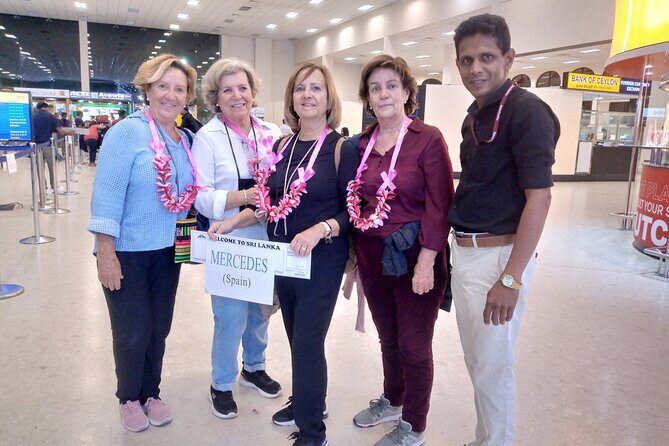
This experience is flexible in time, which means you can use it for different trip styles. The listed duration range (from about 1 hour to multi-day service around 4 days, 4 hours) is your clue that the provider expects you to build your own pacing.
Because your exact itinerary isn’t fixed in the data, the most honest way to think about your plan is by destination blocks the provider supports. They mention service all around Sri Lanka, including well-known regions/cities such as Anuradhapura, Polonnaruwa, Sigiriya, Kandy, Ella, Arugbay, and Trincomalee.
What I’d do with that flexibility:
- If you need a transfer: book a short window for moving between Negombo and your next base city. This is usually the kind of use that saves time and reduces stress.
- If you’re doing a multi-day circuit: keep the car hired for several days so you don’t lose momentum. Consistency often matters more than fancy extras.
- If you want stops on the way: the reviews mention stopping in interesting places and even a lunch stop tied to a waterfall. Your driver can help you find those moments without turning the trip into a scavenger hunt.
One more practical note: the provider states you can book using WhatsApp or Instagram. If you like texting a plan (preferred stops, timing concerns, and where you want pickup), this format usually helps. It also gives you a way to confirm expectations before you arrive.
What is included vs what you must budget for
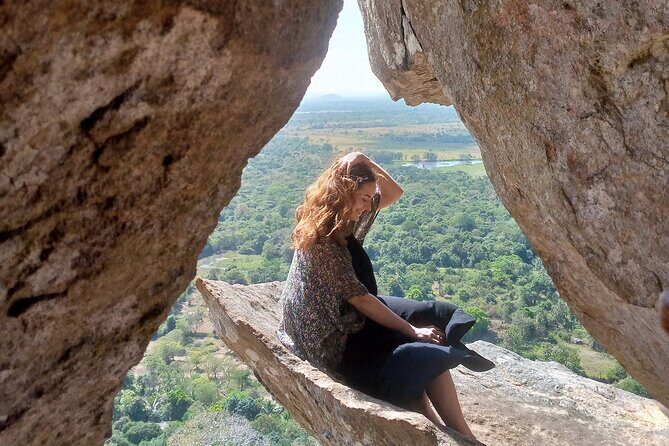
This is where many private car experiences become less “cheap than they look.” Here, the inclusions are clear, and so are the exclusions.
Included:
- Air-conditioned vehicle
- Driver accommodation
- Driver meals
- Highway charges
- Insurance
- WiFi in the vehicle
Not included:
- Your meals
- Your hotel
- Entrance tickets for national parks, historical sites, safari, and similar activities
So the budgeting rule is simple: your transportation cost is largely covered, but admission costs and food costs remain yours. If you’re planning national parks, safaris, or major historical sites, I strongly suggest you estimate those tickets before you lock in your route. Otherwise, the last-day bill can feel like it came from nowhere.
Also, even if your driver can suggest stops and good timing, entrance rules still apply. Sometimes a site’s ticket is per person and not transferable to a private car fee, so your plan should have a realistic number of paid stops.
Getting real value from the $14 per group price
The price shown is $14 per group (up to 3), with an average booking window around 31 days in advance. That pricing structure can be a great fit if you’re traveling as a small party, because you spread the cost over fewer people.
But value depends on one key factor: what you’re actually buying for your time window (1 hour vs several days). The duration range suggests the service can stretch, so you’ll get the best value when you use the car for the days when you’d otherwise be dealing with public transport changes, extra transfers, or uncertainty.
To judge value for your trip, I’d ask:
- Are you using it for multi-day island movement, where one consistent driver saves hours?
- Are you reducing the number of separate bookings (and the stress that comes with them)?
- Do you plan to pay entrance fees anyway, meaning the car is the main cost you want to keep controlled?
If your plan is mostly short transfers with no paid stops, the total might still be a bargain, but the “savings per day” feel less dramatic. If your plan includes longer moving days plus paid sites, the private car often becomes the most sensible way to control time.
And one more value point: WiFi in the vehicle can reduce the frustration of sorting plans on the road. That doesn’t sound huge until you’re sweating in a phone hotspot-less car while trying to find your next stop.
Who this private car fits best (and who might want something else)
This works best if you want:
- A calm, private base for mobility in Sri Lanka, starting from Negombo
- One driver who stays consistent across your days
- Comfort-first travel with AC and WiFi
- Flexibility to adjust destinations or stop for interesting moments
It’s also a strong fit for travelers who want local guidance without needing a rigid tour schedule. The reviews you shared emphasize that the driver helped with planning and accommodations, and that kind of responsiveness is ideal when your interests are a bit changeable.
You might want a different setup if:
- You only need a single, very short ride and don’t care about flexibility at all
- You prefer fully guided experiences with fixed schedules and included entrance fees
- Your trip depends on very specific timing for multiple paid sites, and you want those admissions rolled into one package
Quick practical tips before you go
Based on how this service is described and the themes in the driver experiences, here are smart moves:
- Tell your driver your pace early. If you want more photo stops, say so. If you want fewer, say that too.
- Plan entrance fees separately. National park and historical site tickets are not included, and those can be the biggest line item after transport.
- Use the messaging option to confirm pickup timing. The service can start from airport or hotel, so get the exact meeting point nailed down.
- Think of the driver as a time-saver, not just a driver. The reviews highlight flexibility and helpful stops, so let that work for you.
Should you book this private car with a professional driver?
I’d book this if you’re traveling as a small group (up to 3) and you want transportation that feels controlled and comfortable from the moment you arrive in Sri Lanka. The combination of AC comfort, WiFi, insurance, and a driver who’s described as punctual and flexible is exactly what makes multi-day travel smoother.
Skip it only if you’re looking for a package where entrances and meals are handled for you, because those are explicitly not included. If you’re comfortable budgeting tickets and food separately, this is a strong value way to see more of the island without the hassle of constantly re-planning transport.
If your priority is stress-free movement starting from Negombo, this is one of the more sensible ways to do it.
FAQ
How many people is this private car for?
The price is listed per group up to 3 people, and it is a private tour/activity so only your group participates.
Where does pickup happen?
Pickup is offered, and your tour can start from the airport or from your hotel.
What’s included in the price?
An air-conditioned vehicle is included, along with driver accommodation, driver meals, highway charges, insurance, and WiFi in the vehicle.
What’s not included?
Your meals and hotel are not included, and entrance tickets for national parks, historical sites, safaris, and similar places are also not included.
Can I book this for different parts of Sri Lanka?
Yes. The provider says you can book a vehicle from anywhere to anywhere in Sri Lanka using WhatsApp or Instagram.
How does confirmation work?
Confirmation is received at the time of booking, and the tour uses a mobile ticket.
Is free cancellation available?
Yes. You can cancel for a full refund if you cancel at least 24 hours in advance. If you cancel less than 24 hours before the start time, there is no refund.
]]>This 12-day wildlife trip strings together national parks and major cultural sights with a private driver, so you’re not stuck waiting on a group schedule. You also get an easy start in Negombo, then move inland for elephants-country safaris and famous rock-and-temple days, before finishing with Mirissa and Bentota.
I like two things right away: daily breakfast is built in, and you receive a free SIM card on arrival. The private setup also means you can keep your own pace between early starts and longer drives.
One thing to plan for: entrance fees and safari add-ons are not included, and a 4×4 jeep can cost extra when the itinerary calls for one. So you’ll want to budget beyond the tour price.
Key points worth knowing before you go
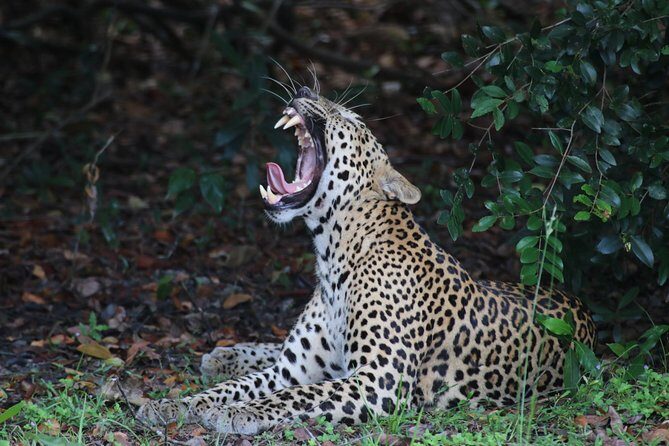
- Private driver, car or van, and airport pickup/drop: you’re traveling door-to-door with an air-conditioned vehicle.
- Wildlife days are the core of the trip: Wilpattu, Minneriya/Kaudulla/Hurulu Eco options, and Yala safaris fill multiple days.
- Early starts are real: Sigiriya is a morning climb, and Mirissa whale watching is scheduled as early as 6:30.
- Culture stops keep the drives from feeling like homework: Sigiriya, Dambulla caves, Kandy’s Sacred Tooth Temple area, and spice gardening.
- Costs can jump at the gates: entrance tickets and any 4×4 jeep are excluded, so carry some cash and patience.
Negombo Arrival: fish market evening and an easy launch
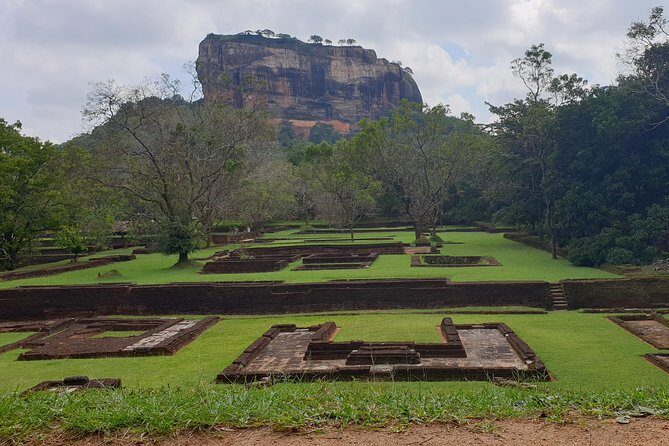
Your tour begins in Negombo, where you’re met after arrival by an English-speaking chauffeur guide. After the drive to your hotel, the plan includes an evening visit to the Fish Market and a short Negombo city tour.
This is a smart first-day move. Negombo can feel busy and confusing on your own, but having a driver guide you to the right areas means you’re not spending your only night sorting out logistics. It also sets expectations for the rest of the trip: you’re traveling with local guidance, not just transportation.
Private driver and air-conditioned transport: the real value
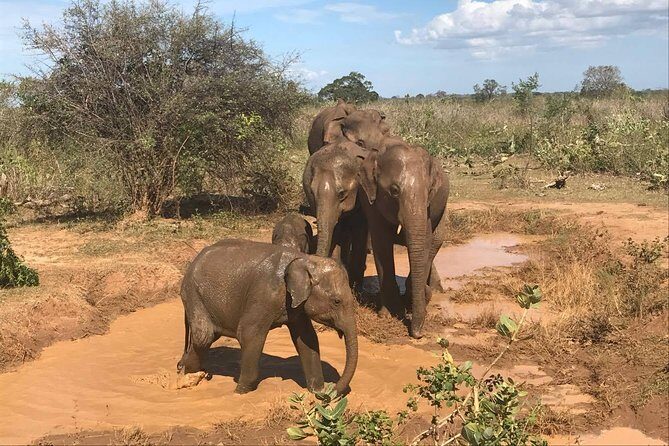
This is set up as a private tour, meaning it’s only your group. That matters on a route like this, where the days mix long drives, early mornings, and sightseeing that has timed best moments (like Sigiriya and the whale-watching window).
You’ll travel in an air-conditioned car or van, and the tour includes the big “in-between” items that people often forget: airport pickup/drop, highway charges, and parking fees. You also get 500 ml water per day and daily breakfast—small things, but they help when you’re moving from one region to another.
Then there’s the free mobile SIM card on arrival, which I appreciate for a practical reason: once you land, you can coordinate with your driver, handle maps, and keep your own schedule without relying on Wi-Fi.
Wildlife circuit: Wilpattu, Minneriya options, and Yala safaris
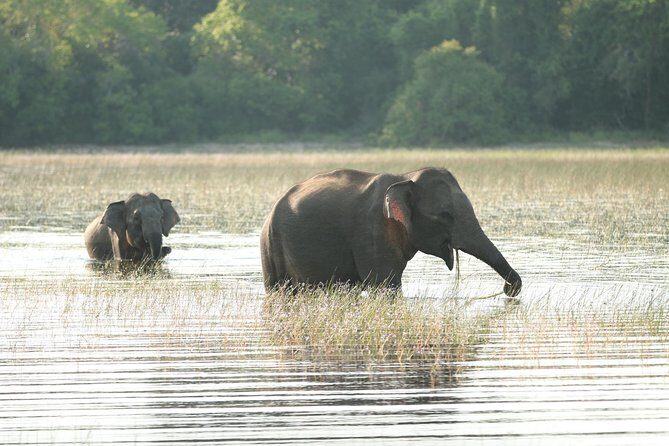
The best part of this itinerary is how much time it gives to safari-country. You’re not doing one quick stop and calling it wildlife.
Wilpattu National Park + Anuradhapura on Day 2
Day 2 includes Wilpattu National Park with a potential safari window of about 4 hours. Admission isn’t included, and the itinerary notes that a ticket for the safari experience is not included.
After that, you head toward Anuradhapura Ancient City for an evening visit lasting around 3 hours. In other words, the day has both nature time and a major cultural anchor. That balance helps because wildlife drives can be hit-or-miss depending on conditions, and having a historic stop right after keeps the day from feeling incomplete.
Minneriya / Kaudulla / Hurulu Eco options on Day 3
Day 3 adds another wildlife chance, built around the elephants-area timing: depending on where the elephants are seen, you may go to Minneriya National Park, Kaudulla, or Hurulu Eco National Park for an evening safari option.
This is a good way to travel because it acknowledges reality. Elephants follow patterns, and rigid “same park, same time” plans can waste prime hours. Here, the itinerary is flexible within that wildlife zone. The tradeoff is the same as most safaris: admission and any 4×4 jeep costs are not included.
Yala National Park as the centerpiece (Day 7 and Day 8)
Yala National Park is where the itinerary commits hardest. On Day 7, you can choose an evening safari option (Yala or alternatives listed in the plan: Udawalawe or Bundala). Day 8 then offers a full-day or half-day safari at Yala.
Why that’s valuable: if Day 7 feels like you only scratched the surface, Day 8 gives you the second bite. And if Day 7 hits well, Day 8 lets you slow down rather than racing to fit everything in.
Keep expectations practical. Safaris are about being in the right place at the right time, not guaranteed sightings. But this itinerary gives you the structure that improves your odds: more time in the parks and a dedicated day for Yala.
Sigiriya Lion Rock and Dambulla caves: the culture-with-stamina days
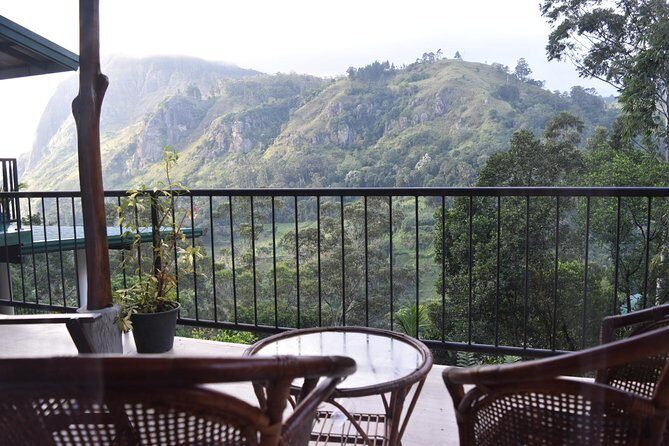
After the first wildlife day, the itinerary quickly turns to Sri Lanka’s famous “wow” sights, starting with Sigiriya.
Sigiriya Day 3-4: climb early for better conditions
On Day 3, you drive to the Sigiriya area and settle in for the night. Then on Day 4 you get the morning plan: a Sigiriya Lion Rock Fortress climb. The schedule points out doing it early so the sun isn’t too hot, and it’s also timed for photos before conditions get uncomfortable.
This is the point where moderate physical fitness matters. You’re climbing, moving, and taking on uneven stone steps. If you’re nursing knees, take it slow, pause often, and don’t treat it like a race.
Dambulla Golden Temple of Dambulla + spice and temple stops
Day 4 continues on the way to Kandy with Golden Temple / Cave Temple Dambulla (about 1 hour). Then you stop at Nalanda Gedige (around 30 minutes), followed by a Ranweli Spice Garden visit where you learn about spice uses in daily life and medicinal properties (about 45 minutes).
That spice stop is more than a quick photo break. It helps you understand why tea-country and coastal cuisine both taste the way they do. Spices aren’t just souvenirs here; they’re tied to how people think about everyday health and food.
You end the day at Temple of the Sacred Tooth Relic (Sri Dalada Maligawa) area, paired with a traditional Kandyan Cultural Dance Performance lasting around 2 hours in the plan. If you want a Sri Lanka night that mixes atmosphere with a real cultural setting, this is one of your best shots on the route.
Kandy and Nuwara Eliya: botanical gardens, tea stops, and cool air
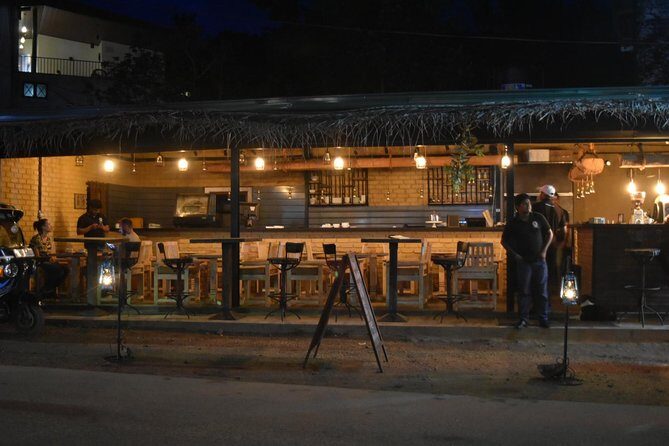
Day 5 takes you from Kandy direction to Nuwara Eliya, with a strong “slow down” section built in.
You start at the Royal Botanical Gardens in Peradeniya, with about 2 hours planned before heading to Nuwara Eliya. These kinds of gardens are a nice reset after temples and rock climbs because you can wander without worrying about fitting every stop into a tight window.
Then Nuwara Eliya: the schedule includes Ramboda Falls, a tea factory, and tea plantation viewing along the road. It’s a classic tea-country sequence designed to show you how the region works—production first, landscape second, and then you get to enjoy the slower rhythm in the evening.
Admission notes in the itinerary say tickets aren’t included for many sights, so budget for that. But the overall value is that these are “high recognition” stops in one smooth route, not a scavenger hunt.
Ella travel by scenic rail plus Little Adam’s Peak
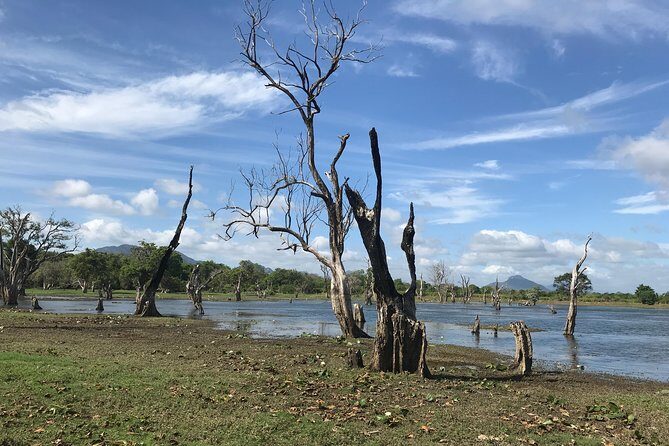
Day 6 is where the trip gets charming and slightly wild in the best way.
You begin with Gregory Lake and Victoria Park Garden (around 1 hour planned). Then the big moment: at Nanu Oya railway station, you take the panoramic view train after getting off in Ella at 12:40.
Even if you’ve ridden trains before, this stop is worth it because it breaks up hours of road time with a moving viewpoint. The itinerary lists the train with an admission ticket not included, so you’ll want to confirm what’s covered versus what you pay on your side, but the schedule is clearly built around that train segment.
Then, in the evening in Ella, you climb Little Adam’s Peak for views. The plan keeps the timing simple and doable, and it’s a good way to end the day without another long transfer.
Tissamaharama to Mirissa: safaris first, beach time second
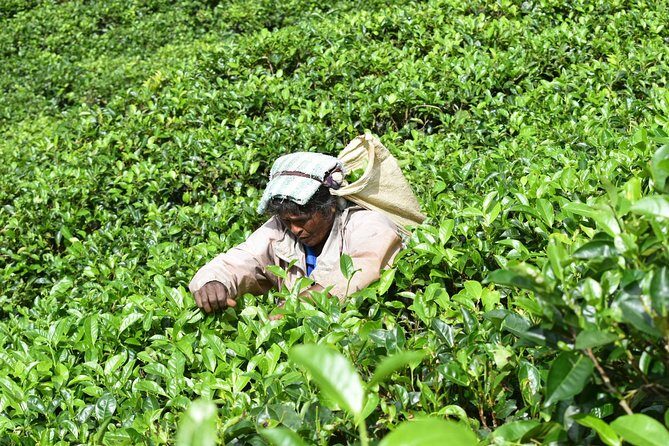
Day 7 shifts from Ella-side to Tissamaharama, with stops before you hit wildlife again.
You start with Buduruwagala Temple and a visit tied to Rawana waterfall and the rock temple area (about 45 minutes planned). Then you drive to Tissamaharama for the night, with an option to do a Yala safari in the evening (again noting the itinerary’s safari alternatives).
Day 8 then gives you the extended Yala safari option—full day or half day. This sequencing matters. You’re not trying to cram beach time on the same day you do a long safari drive. Instead, after wildlife, you get to decompress.
Day 9 moves you to Mirissa. After breakfast you drive there, then enjoy evening and leisure at your beach resort. If you want the trip to feel balanced instead of nonstop, this is the key mental switch: nature intensity gives way to ocean time.
Whale watching at 6:30 plus Parrot Rock and Coconut Tree Hill
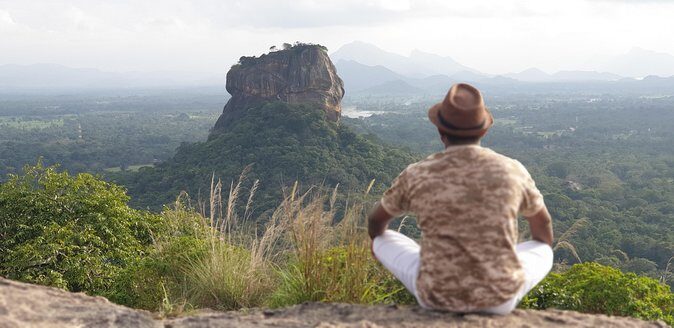
Day 10 keeps Mirissa active without turning it into an all-day grind.
You’re scheduled for whale watching from Mirissa as early as 6:30 in the morning. After that, the plan is flexible: return to the hotel and spend the rest of the day exploring Parrot Rock and watching the sunset from Coconut Tree Hill.
This is one of those itinerary choices that rewards good planning. Morning whale watching means getting up early, but the rest of the day is yours. I like that the schedule doesn’t punish you for the early start with another packed drive day.
Bentota and the Madu River: river calm after coastal fun
Day 11 brings you to Bentota, with additional stops on the way. The itinerary includes en route sightseeing around Galle Dutch (the plan names Galle Dutch), then it highlights a Madu River Safari by Buddhi after you arrive.
This is a nice change of pace after the sea days. A river safari is slower, often more about scenery and boat time than about speed. The important practical note: the itinerary marks admissions as not included, so factor that into your day budget.
Colombo wrap-up: last-day airport drop
On Day 12, you head to Colombo for the final stretch, then you’ll be dropped at the airport. It’s built to end cleanly, without the stress of last-minute getting from one far region to the airport alone.
If you’re flying out the same day, this setup is reassuring. You keep your eyes on the finish line, and your last memories stay on the itinerary instead of on logistics.
Price and value: what $980 covers and what to budget for
At $980 per person for 12 days, the value is mostly in the “big pieces” being bundled: accommodation, breakfast, private transport (car or van, air-conditioned), airport pickup/drop, SIM card, water bottle per day, and the overheads like highway charges and parking fees.
To judge value fairly, you need to look at what’s missing. This tour does not include:
- Entrance fees at sightseeing places
- Personal expenses and tips
- Flights and visa charges
- Early check-in / late check-out
- For 4×4 jeep (important for safaris)
So the real budgeting math is: the tour price covers travel comfort and planning, while wildlife and attractions typically add costs at the gates and via safari vehicles.
Also note: some accommodations are described as basic but clean in the feedback. That doesn’t mean you’ll be in a bad hotel; it means you’re paying for the route and the wildlife time more than for a five-star style experience every night. If you know what kind of comfort level you want, you’ll feel happier with the balance.
Who this private Sri Lanka wildlife tour fits best
This route fits you best if you want:
- A private driver to keep the itinerary workable, not stressful
- A real focus on wildlife, including dedicated time for Yala
- A mix of famous sights: Sigiriya, Dambulla, Kandy’s Sacred Tooth Temple area, and tea-country stops
- Beach time that actually shows up after the parks, not just an afterthought
It also helps if you’re comfortable with early mornings and some walking uphill. The itinerary includes climbs like Sigiriya and Little Adam’s Peak, and the overall fitness note is moderate.
Should you book this tour?
I’d book it if you want the easiest way to stitch together Sri Lanka’s headline nature and culture, with transport that’s handled and a driver who can explain what you’re seeing. The strong praise for drivers like Mohan, Indra, Rajh, Niran, and guides such as Menuka points to something important: you’re not just renting a car; you’re getting direction and local context while you move.
I would hesitate if you strongly dislike paying extra once you arrive, because entrance fees and safari vehicle costs (like the 4×4 jeep) can add up fast. Also, if you expect every hotel to feel fancy, the feedback suggests you might find some stays more basic than you’d like.
If you can handle those tradeoffs, this is a strong “first big Sri Lanka trip” structure.
FAQ
How long is the Sri Lanka wildlife tour?
It runs for 12 days (approximately).
What is the starting location for the tour?
The tour starts in Negombo, Sri Lanka.
How much does the tour cost?
The listed price is $980.00 per person.
Does the tour include accommodation and breakfast?
Yes. It includes accommodations with daily breakfast (Breakfast is listed as 11 breakfasts).
Is a mobile SIM card included?
Yes. The tour includes one free mobile SIM card on arrival.
Is this a private tour?
Yes. It is a private tour, and only your group participates.
What type of transportation do you use?
You get private transportation with an air-conditioned vehicle, using a car or van, plus pickup and drop.
Are entrance fees included?
No. Entrance fees are not included.
Are 4×4 jeep safaris included?
No. For 4×4 jeep is listed as not included.
Can I cancel for a full refund?
You can cancel up to 3 days in advance for a full refund. For a full refund, you must cancel at least 3 full days before the experience’s start time.
]]>